Love the idea of stepping from your backyard onto your boat, then setting a course for the Gulf by lunch? If you are exploring a Lee County waterfront home, the right dock or marina setup can make that lifestyle simple and safe. In this guide, you will learn the key choices, inspections, permits, and local factors that matter before you buy. Let’s dive in.
Private dock and marina options
Private on-lot docks
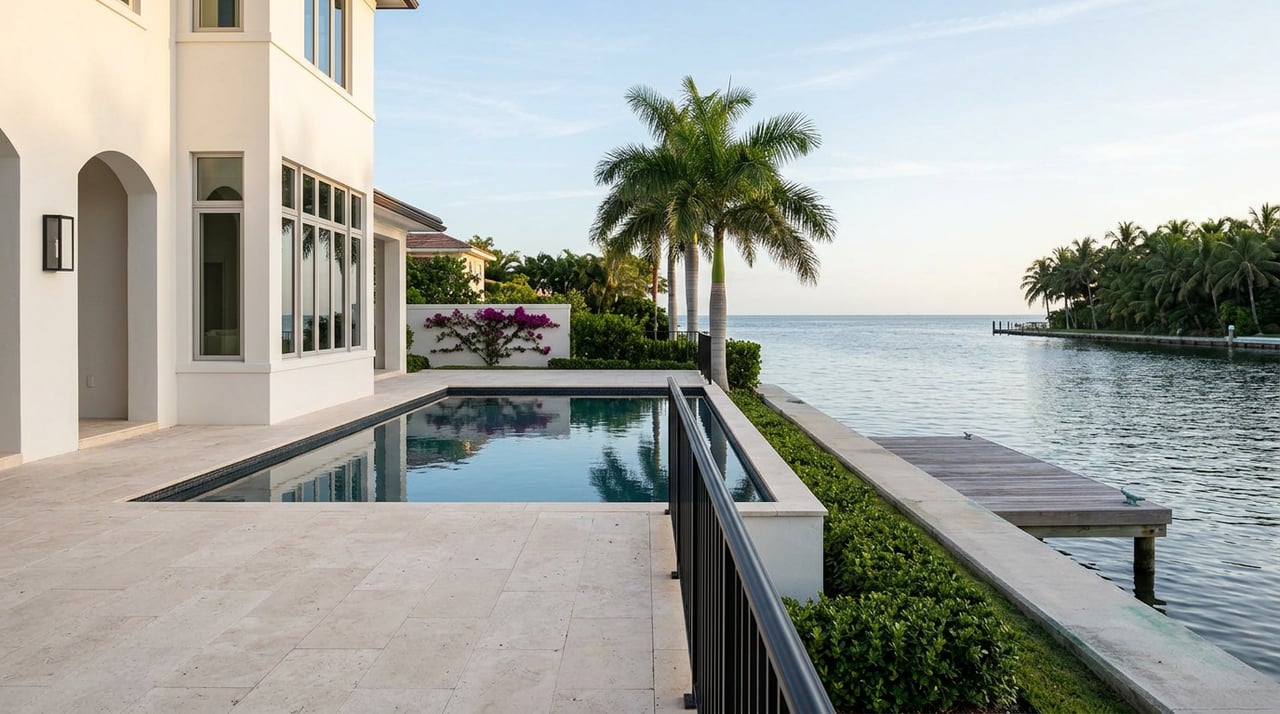
A private dock on your lot gives you the most control. You can choose fixed or floating construction, add a boat lift, and set up shore power and water. Confirm size and depth against your boat’s length, beam, draft, and weight. Verify all existing structures match their permits.
Community docks and HOA marinas
Some neighborhoods offer shared docks or deeded slips. These can be excellent if you want lower maintenance. Ask about slip assignment rules, waitlists, guest berthing, transferability on resale, and recurring dues or special assessments.
Commercial marinas and leased slips
If you prefer full-service support, a rented slip at a nearby marina can provide fuel, haul-out, and repairs. This option is practical if draft or bridge limits make an on-lot slip less usable. Review contract terms, power availability, and seasonal demand.
Club and private neighborhood marinas
Membership-based marinas and yacht clubs offer assigned slips with community amenities. Review membership costs, governance, and any transfer restrictions.
Dry stack and trailer storage
For smaller vessels, dry stack storage or an on-site trailer may be best. This works well if tidal or bridge constraints limit your daily access, and it lowers in-water maintenance.
Fit your boat and routine
Match your property to how you boat.
- Depth at mean low water and channel depth to open water
- Slip length, beam, and side clearance for docking ease
- Air draft limits from fixed bridges if you sail or have towers
- Electrical service needs, often 30A or 50A shore power
- Frequency of use and realistic transit time to the Gulf or ICW
If you go out often, quick access to deeper water can outweigh other features. If you need service support, proximity to marinas and boatyards may be the priority.
Inspect the waterfront infrastructure
Dock, lifts, and seawall
Assess the integrity of pilings, decking, and fasteners. Note materials like treated timber, composite, concrete, or aluminum, and any corrosion. Confirm lift capacity, age, and service records. Evaluate the seawall or bulkhead for cracking, deflection, and life expectancy.
Mooring and utilities
Check whether the layout can berth your primary vessel plus tenders or guest boats. Confirm potable water, lighting, and the amperage and condition of shore power. If you need pumpout, locate the nearest marina that provides it.
Engage the right experts
Hire a licensed marine surveyor for the dock and lift, a structural professional for seawalls and pilings, and a licensed electrician for shore power. A local surveyor can map boundaries and the mean high water line so you understand riparian rights and any easements.
Permits, rights, and environmental rules
Waterfront improvements sit within a layered regulatory framework. Before you make an offer, verify the permit history and what will be required for any upgrades.
- Federal oversight: The U.S. Army Corps of Engineers administers permits for structures and work in navigable waters. Review current guidance on the USACE Regulatory Program.
- State approvals: The Florida Department of Environmental Protection regulates in-water structures and submerged lands, including Environmental Resource Permits and lease issues.
- County permitting: Lee County sets local dock, lift, and seawall standards. Start with Lee County Community Development for permit records and submittal requirements.
Confirm riparian rights in the deed and look for any recorded easements or HOA rules that affect docking. Older docks may have expired or grandfathered permits. If you plan a new lift, extension, or replacement, expect county and state reviews and possibly USACE authorization.
Environmental protections matter. Seagrass, mangroves, and manatees can shape placement, length, and shading standards for docks. For species guidance and slow-speed considerations, consult the Florida Fish and Wildlife Conservation Commission.
Dredging is tightly regulated and often costly. If depth is marginal, get clarity early on whether maintenance dredging is allowed and who pays for it in a shared channel.
Depth, bridges, and route planning
Depth and clearance determine what you can safely run. Validate your route using official charts and tides, then confirm with local professionals.
- Use NOAA Office of Coast Survey charts to check soundings and navigation aids.
- Reference NOAA tide and current predictions for low-water conditions at your dock and in connecting channels.
- Ask local harbormasters or marina managers about shoaling hot spots, no-wake zones, and real-world bridge clearances.
Collect property-specific data as part of your due diligence: depth at mean low water, slip length and beam, fixed bridge clearances, permit documents, seawall age and condition, HOA marina rules and fees, and transit time to open water.
Insurance, storms, and ongoing costs
- Insurance: Confirm that the dock, lift, and related equipment are covered and understand any windstorm exclusions. Carriers often consider construction type, age, and condition.
- Hurricane planning: Have a plan for securing boats and lifts during storm season. Some owners remove vessels from lifts or relocate to safer berths.
- Maintenance: Budget for lift servicing, piling and hardware replacement, decking repairs, and seawall work. Shared marinas may have special assessments for capital projects.
- Utilities and fees: Account for shore power and water, slip dues in an HOA marina, or rental rates at a commercial marina.
Work with a senior-led advisor
Selecting the right Lee County waterfront home is about more than the view. It is about navigability, compliance, and long-term usability that fits your vessel and lifestyle. A senior-led, concierge approach helps you verify permits, coordinate marine experts, and negotiate with clarity.
If you want discreet, results-driven representation for a waterfront search, connect with the Cassis Burke Collection. Request a private consultation.
FAQs
What are the main dock and marina options for Lee County homes?
- You can choose a private on-lot dock, a community or HOA marina with assigned slips, a leased slip at a commercial marina, a private club marina, or dry stack and trailer storage for smaller boats.
How do I confirm depth and bridge clearances before buying?
- Verify depth at mean low water at the dock and along the route using NOAA charts and NOAA tide predictions, then validate real-world conditions with local marina managers or a captain.
Which permits apply to building or modifying a dock?
- Expect reviews by the U.S. Army Corps of Engineers, the Florida Department of Environmental Protection, and Lee County Community Development, depending on scope.
How do environmental rules affect a dock near seagrass or mangroves?
- Seagrass, mangrove, and manatee protections can limit dock length, location, and shading. For manatee guidance and slow-speed zones, consult the Florida Fish and Wildlife Conservation Commission.
What should I ask an HOA about a community marina?
- Ask about slip assignment rules, transferability on resale, waitlists, guest berthing, maintenance responsibilities, insurance, and current dues or pending assessments.
How should I plan for hurricanes if my boat sits on a lift?
- Coordinate a storm plan that may include removing the boat from the lift, securing lines and power, and relocating to a safer berth or dry storage based on forecast and insurer guidance.