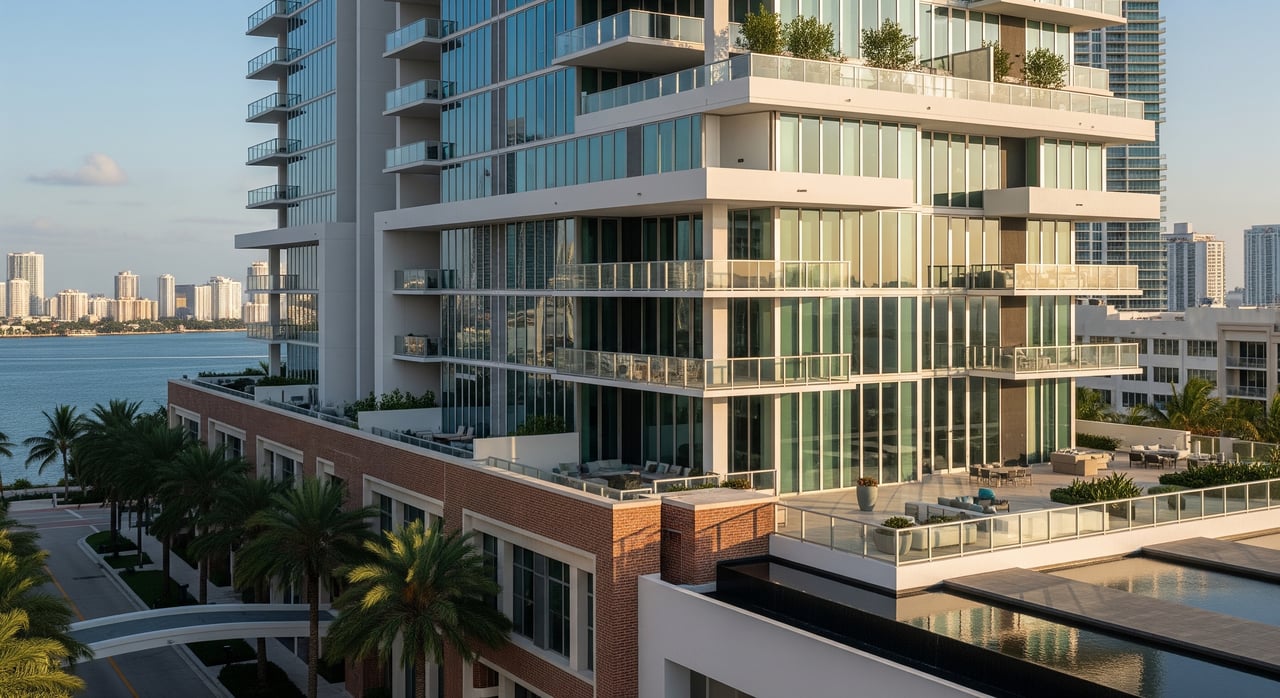
Eyeing a Brickell condo and wondering why two units in the same building can differ by six or seven figures? You are not alone. In Miami’s financial district, tiny shifts in floor height, orientation, or even the unit’s “line” can reshape price, rental yield, and resale potential. This guide breaks down the tiers that matter, so you can buy with confidence and avoid surprises. Let’s dive in.
Why tiers matter in Brickell
Brickell sits on Biscayne Bay, with dense high-rises, evolving skyline views, and an amenity-rich setting that rewards great sightlines. In this market, view quality, privacy, and services carry real premiums. Small changes in vertical or lateral position can mean a measurable price-per-square-foot shift. Building-level status and amenity depth also create layers of value that interact with a unit’s own attributes.
Unit tiers that move price
Floor height
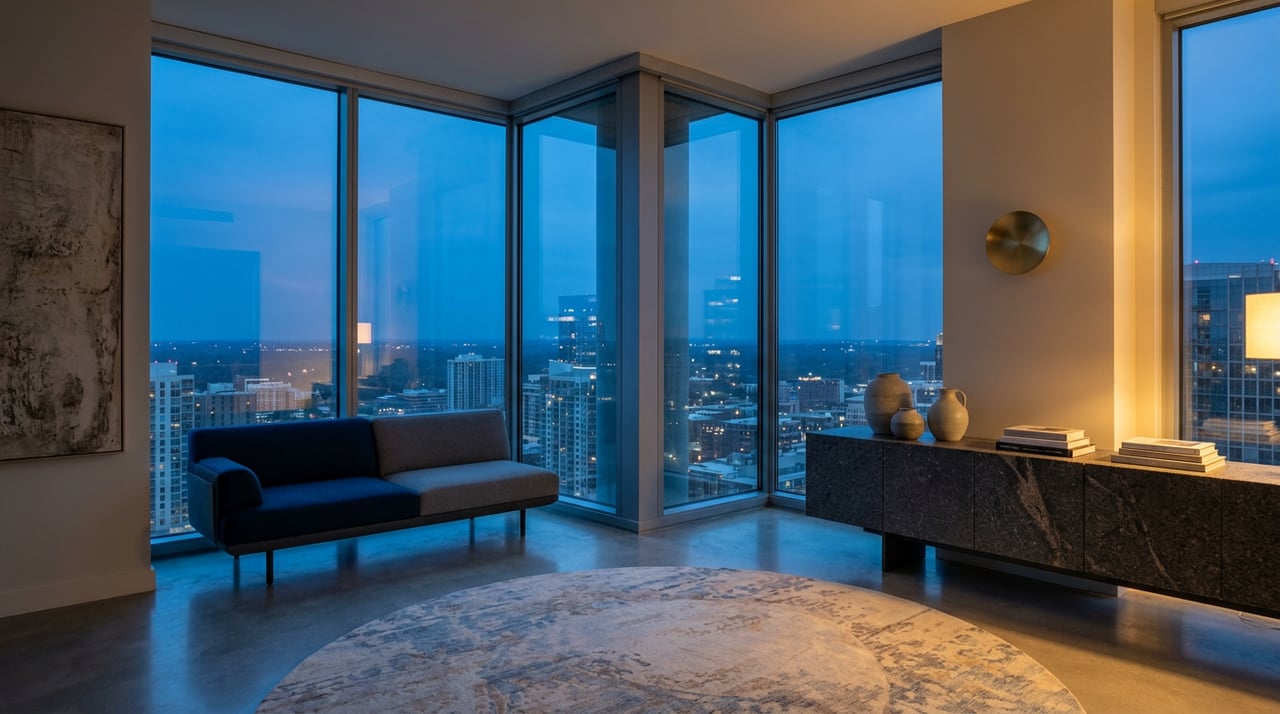
Higher floors usually cost more in Brickell when they deliver unobstructed bay or skyline views. You also gain privacy and distance from street noise. Lower floors often trade at a discount, but some buyers like faster elevator access and a closer connection to amenities. Keep in mind that neighboring development can change sightlines over time, so risk of future obstruction matters.
Orientation and view types
Orientation shapes light, heat, and your daily experience. In Brickell, the most common view categories include:
- Biscayne Bay, port, or ocean exposure, often the top premium when unobstructed.
- Miami skyline or city panoramas, with value tied to clear sightlines and sunrise or sunset preferences.
- West-facing sunsets, attractive for evenings but warmer in late day.
- Interior, courtyard, or low-rise street views, typically lower priced.
- Landmark angles, such as Brickell Key or causeway vignettes, which can add value even without full ocean views.
The right orientation depends on your priorities. If you want morning light and water, you will likely value eastern exposure. If you prize sunsets, verify how late-day heat affects comfort and energy use.
Line and layout
Within each floor, the “line” describes where a unit sits. Corner lines often command a premium for multiple exposures, more windows, and privacy. Middle stacks are common and usually trade at a lower price per square foot. Shallow, wider plans tend to maximize views into living spaces, while deep plans can leave interior rooms without a view. Private elevator lobbies and strong foyer design signal a higher tier of privacy and can boost value.
Building tiers and amenities
Service model and amenities
Building-level features create a parallel tier system. Full-service programs with valet, 24-hour concierge, spa and wellness, resident-only club spaces, and on-site dining raise perceived prestige and price per square foot. Hotel-managed or hybrid models may feel more resort-like and can influence operating costs and rental rules. The best-located towers with strong staffing and curated amenities sit at the top of the tier.
Finishes and private access
Designer finish packages, smart home tech, bespoke closets, and large terraces or private pools increase desirability. Private elevator access, controlled floors, and separate resident lobbies enhance privacy, which matters to many high-net-worth buyers. These features can create sub-tiers even within the same building.
Parking, storage, and title
In a dense district like Brickell, deeded parking and storage add real value. Private boat slips are scarce and can be significant for certain buyers. Valet-only arrangements can be convenient, but deeded spaces often support resale better. Clarify exactly what conveys with your title and what is assigned by the association.
Risk, code, and insurance
Flood zones, elevation, and resilient building design influence insurance and long-term comfort. Newer codes and hurricane glazing can reduce risk and appeal to risk-aware buyers. Association rules on rentals and short-term use also matter, especially if you plan to lease your unit.
Price, yield, liquidity
Price formation
In Brickell’s luxury segment, price per square foot rises with view quality, floor height, corner or private line scarcity, top-tier finishes, and amenity depth. Buyers often pay premiums for unobstructed water views, higher floors, and private access. Small physical differences can create large percentage changes in price, because exclusivity has outsized value at the top of the market.
Rental yield
Units with exceptional views and higher floors can command higher rents and stronger occupancy. That said, rich amenity packages may come with higher HOA fees, which can compress net yields. If you are an investor, model gross rent alongside HOA dues, insurance, taxes, utilities, and expected vacancy before you assume a premium unit will outperform.
Resale and liquidity
Striking views, unique floor plans, and strong building brands tend to sell faster. Lower-tier units may reach a broader buyer pool due to price, but they can sit longer if the market favors premium inventory. Development and climate risks are dynamic, so review those factors when you think about future resale.
Tradeoffs you will face
- A lower-floor home in a best-in-class building can outperform a higher-floor unit in a mid-tier tower if service, privacy, and location match your goals.
- A slightly lower floor with a fully open bay view can be worth more than a higher floor with partial obstruction.
- Ultra-luxury amenities can command higher rents and resale attention, but the higher carrying costs may reduce net yield for income-focused investors.
Due diligence checklist
Data to pull first
- Closed sales by line and floor in the same building to isolate view and stack premiums.
- Listing history and days on market for comparable lines and floor bands.
- Miami-Dade Property Appraiser records for ownership and assessment history.
- Condo association documents, including declaration, bylaws, rules, reserves, recent minutes, budgets, and any assessment or litigation disclosures.
- Insurance certificates and any claims history available through the association.
Physical and climate checks
- FEMA flood zone and base flood elevation for the property and area.
- Building elevation, hurricane glazing, and any documented code upgrades or structural reports.
- View risk by scanning city and county permit portals, zoning maps, and announced projects on adjacent parcels.
Financial modeling
- Price per square foot by floor band and by line to map premiums.
- Rental comps segmented by orientation and floor level, if leasing is a goal.
- A full carrying cost model that includes HOA dues, taxes, insurance, utilities, parking fees, and storage.
- Sales velocity patterns and days on market in your chosen tier.
Tools and methods
- Build a view-premium matrix that cross-references floor band, orientation, and line type to estimate relative price multipliers.
- Use mapping and satellite imagery to visualize sightlines and sun paths.
- Request same-line closed sales on nearby floors to best isolate the view effect.
Touring the unit
- Test sightlines from the kitchen, living room, bedrooms, and balcony. Visit at different times of day to compare light and glare.
- Check sun exposure and heat load. West-facing units can feel warmer in late afternoon.
- Time elevator waits at peak hours. Confirm if there is private elevator access or a service elevator stop for your floor.
- Step onto the balcony to judge size, usability, and railing or glazing condition.
Negotiation and red flags
Negotiation levers
- Unobstructed views, corner lines, private elevator access, deeded parking, and storage are common premium drivers.
- If a unit has been on the market longer, use same-line comps to justify your position.
- For investors, price to a target net yield after modeling HOA dues and potential assessment risk.
Red flags to investigate
- Large or repeated special assessments, or a pattern of underfunded reserves.
- Active litigation involving the association or unresolved developer issues.
- Non-deeded parking or unclear storage rights.
- Pending nearby development that would materially block your view.
- Insurance coverage challenges at the building level.
Local insight and next steps
If you want the best value for your goals, compare buildings and units tier by tier. Start with floor height and orientation, then weigh line position, private access, and amenity depth against carrying costs. For investors, model net yield. For end users, prioritize daily experience, privacy, and long-term view stability.
You do not have to navigate this alone. A senior-led team can source line-specific comps, audit association health, and stress test view risk against future development. For discreet guidance tailored to the Brickell market, connect with the Cassis Burke Collection.
FAQs
What does floor height mean for pricing in Brickell?
- Higher floors often command premiums for unobstructed views, privacy, and reduced street noise, while lower floors may trade at a discount but offer easier access.
Which direction offers the best views in Brickell?
- Unobstructed Biscayne Bay or ocean views are often top-tier, but skyline and sunset views can also carry premiums depending on sightlines and heat exposure.
How do corner lines compare to middle stacks?
- Corner lines typically earn higher prices due to multiple exposures, more windows, and better privacy, while middle stacks usually price lower per square foot.
Do amenities justify higher HOA fees in Brickell condos?
- Rich amenities and strong service can lift rents and resale, but higher HOA dues can compress net yields, so you should model costs against expected returns.
How can you check if your view will be blocked?
- Review city and county permit portals, zoning maps, and announced projects for nearby parcels, and compare same-line comps to understand current premiums.
What should investors model before buying in Brickell?
- Build a full pro forma including HOA dues, taxes, insurance, utilities, parking, storage, and vacancy, and test sensitivity to rent and resale assumptions.