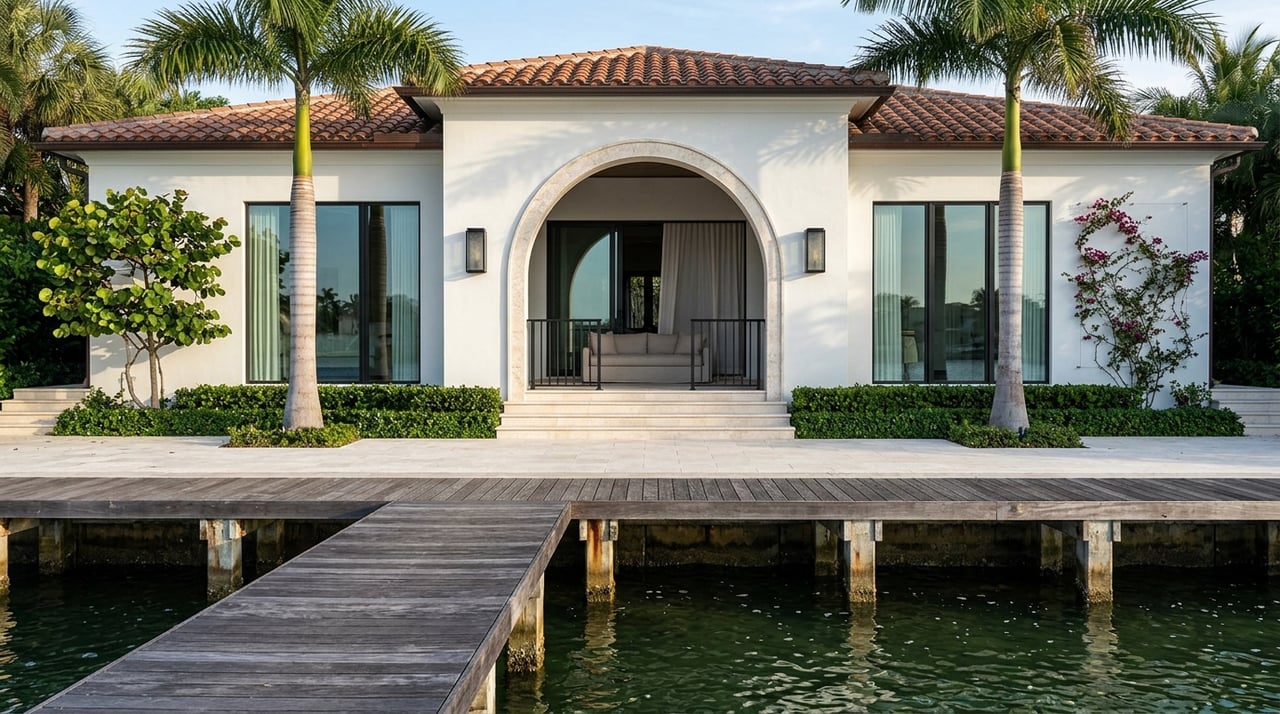
If you picture waking up to water in Miami Beach, the next question matters more than most buyers expect: do you want the Atlantic at your doorstep or Biscayne Bay outside your windows? Both offer a waterfront lifestyle, but the day-to-day experience can feel very different depending on which side of the island you choose. If you are weighing oceanfront versus bayfront living in Miami Beach, this guide will help you compare views, lifestyle, building style, and market context so you can focus on the right fit. Let’s dive in.
Miami Beach Waterfront Basics
Miami Beach is a barrier island between Biscayne Bay and the Atlantic Ocean, with more than seven miles of sandy beachfront. In simple terms, oceanfront usually means the east side facing the Atlantic, while bayfront refers to the west side facing Biscayne Bay.
That geography shapes how each side lives. Oceanfront residences generally have the sunrise advantage, while bayfront homes and condos often capture sunset or skyline views. The exact view still depends on floor height and building orientation.
Oceanfront Living in Miami Beach
Oceanfront feels beach-first
Oceanfront living is centered on direct access to the beach and the public shoreline experience that defines Miami Beach. The city’s ocean side includes the Beachwalk, a nine-mile pedestrian promenade connecting Miami Beach to Surfside and Bal Harbour, with restrooms, water fountains, and nearby parking at various access points.
For many buyers, that means your daily routine can include morning walks, easy sand access, and a more active beachfront atmosphere. It also means the setting is not purely private scenery. The beachfront is a major public amenity corridor.
The shoreline comes with active management
Living on the Atlantic side also means living alongside a carefully managed shoreline. Miami Beach actively manages beachfront conditions, including dune health, sea turtle nesting habitat, beach grooming, sargassum cleanup, guarded swimming areas, and rip-current awareness.
That does not make oceanfront living less desirable. It simply means the experience is tied more closely to weather, beach conditions, and coastal management than many inland or bay-side buyers first realize.
Oceanfront buildings respond to the coast
Miami Beach’s design guidelines call for oceanfront buildings to preserve light, breeze, and view corridors while avoiding a continuous wall effect along the beach. The guidelines also call for a dune district landscape plan for oceanfront projects.
In practice, many oceanfront condos are designed to maximize east-facing exposure from living rooms, terraces, and primary suites. If your ideal home centers on beach access, open Atlantic views, and outdoor living around the shoreline, oceanfront may feel like the natural choice.
Bayfront Living in Miami Beach
Bayfront feels boating-first
Bayfront living in Miami Beach tends to appeal to buyers who value boating, paddle access, and calmer water conditions more than direct surf access. Biscayne Bay separates Miami Beach from the mainland, and the city supports an active bay environment through Marine Patrol and public access points.
Maurice Gibb Park in Mid Beach includes a boat ramp, kayak launch, and overlook to the Intracoastal Waterway. That public infrastructure reflects a bay-side lifestyle that often feels more connected to boating and on-the-water movement.
Bayfront can feel more residential
Some bayfront areas also read as more residential in character than the ocean side. The West Avenue Bay Front Overlay was created around a lower-scale residential corridor, and the city’s overlay language emphasizes compatibility with that low-scale residential setting.
That does not mean every bayfront property feels quiet or tucked away. It does suggest that certain bay-side pockets may offer a different rhythm, with less of the public beach energy that defines the Atlantic side.
Bayfront buildings often lean into views
City design guidelines also shape how bayfront buildings meet the waterfront. Like oceanfront projects, bayfront buildings are expected to consider view, light, and breeze corridors, but the overall setting often supports a different lifestyle emphasis.
Many bayfront condos and residences lean into broad terraces, water-to-sky views, and boating-oriented amenities. In the market, bayfront properties often attract buyers who want skyline views, marina adjacency, or easier access to launches and docks.
Views, Light, and Daily Rhythm
Choose the view you will use
The simplest way to compare oceanfront versus bayfront living is to think about what kind of water view you will enjoy every day. Oceanfront usually means wide Atlantic exposure and early light. Bayfront often means softer evening light, sunset angles, and city skyline backdrops.
Neither is universally better. The better fit depends on whether you picture yourself starting the day with sunrise over the ocean or ending it with sunset tones over the bay.
Building orientation still matters
Waterfront labels are only part of the story. In Miami Beach, the actual value of a view can shift based on floor level, line, neighboring structures, and how the residence is positioned within the building.
That is why two residences in the same building can offer very different experiences. A well-positioned bayfront line may outperform an average oceanfront line for a buyer who prioritizes privacy, terrace depth, or skyline drama.
Amenities Often Follow the Waterfront
In Miami Beach, amenity packages often mirror the waterfront setting. Oceanfront buildings tend to emphasize beach access, pool decks, and outdoor spaces tied to the shoreline.
Bayfront buildings more often highlight docks, launches, marina access nearby, and terraces oriented to calmer water views. If you are comparing two luxury condos, the amenity mix can tell you a great deal about the kind of daily life each property is designed to support.
Pricing in Miami Beach
Waterfront label is only the start
Miami Beach remains a high-value waterfront market, but buyers should avoid assuming that oceanfront always commands the same premium over bayfront. Recent market reports show broad pricing variation across the city and by submarket.
In Q1 2026, Miami Beach condos and townhouses had a median sale price of $510,000 and an average sale price of $1,278,800, with 371 closed sales, 1,812 active listings, and 15.0 months of supply. The citywide average sale price in 2025 was $979,864, pointing to a meaningful luxury segment above the median.
Submarket and building quality matter
The most useful takeaway is that the waterfront label alone does not tell the full pricing story. Reported submarket differences show how much values can shift within Miami Beach itself, with South Beach condo median sales at $450,000 in Q1 2025 and Mid-Beach at $700,000 in the same period.
For luxury buyers and sellers, details like floor height, renovation quality, building reserves, vintage, and exact view corridor can matter as much as whether a property is oceanfront or bayfront. In other words, the right line in the right building can matter more than the headline label.
Climate and Flood Considerations
Both oceanfront and bayfront properties share an important reality: Miami Beach is low-lying and near sea level. The city has identified flood risk as a major issue and has a Sea Level Rise Adaptation Plan that identified more than 67,000 vulnerable assets.
If you are evaluating a waterfront purchase, it is wise to consider not just the view and lifestyle, but also how a building or property fits into the city’s broader flood-awareness and resilience context. This is relevant on both sides of the island, not just one.
How to Decide Between Oceanfront and Bayfront
If you are choosing between the two, start with how you want to live rather than what sounds more prestigious. Oceanfront usually suits buyers who want beach access, an active shoreline setting, and the classic Atlantic-facing Miami Beach experience.
Bayfront often suits buyers who prefer boating access, calmer water, sunset views, and in some areas a more residential feel. For many luxury buyers, the best decision comes down to your actual routine: where you spend time, what view you value most, and how the building’s design supports that lifestyle.
In Miami Beach, the strongest purchases are rarely about a label alone. They are about matching the right waterfront, building, and view line to the way you want to live.
If you are weighing a purchase or sale on either side of the island, Cassis Burke Collection offers senior-led guidance across Miami Beach’s luxury condo and waterfront market.
FAQs
Is oceanfront or bayfront better for boating in Miami Beach?
- Bayfront is generally better for boating because Biscayne Bay supports boating access, and Miami Beach has bay-side infrastructure such as Marine Patrol and public launch access at Maurice Gibb Park.
Which side of Miami Beach gets sunrise views?
- Oceanfront residences typically get the sunrise advantage because the Atlantic Ocean is on the east side of Miami Beach.
Which side of Miami Beach gets sunset views?
- Bayfront residences generally have better sunset or skyline angles because Biscayne Bay is on the west side of the island, though views depend on building orientation and floor height.
Is oceanfront living in Miami Beach more beach-oriented?
- Yes. Oceanfront living is more beach-oriented because the Atlantic side includes the beachfront, Beachwalk, dune system, and active beach-condition management.
Are oceanfront properties always more expensive than bayfront properties in Miami Beach?
- Not necessarily. Miami Beach pricing varies widely by submarket, building quality, floor height, renovation level, reserves, and exact view line, so the waterfront label alone does not determine value.
Do both oceanfront and bayfront properties face flood concerns in Miami Beach?
- Yes. Miami Beach is low-lying and near sea level, and the city has identified flood risk and broader sea level rise adaptation needs across the community.