If you are comparing estate options in Coral Gables, the biggest question is often not just budget. It is waterfront versus inland, and those two paths can lead to very different ownership experiences. Understanding how they differ can help you focus your search, weigh trade-offs clearly, and make a better long-term decision. Let’s dive in.
Coral Gables Is Not One Estate Market
Coral Gables works best as a collection of distinct estate submarkets rather than one uniform luxury market. Waterfront properties tend to cluster along the Coral Gables Waterway, the Biscayne Bay edge, and gated enclaves built around private docks and marine access.
Inland estates follow a different pattern. They are more commonly found near historic districts, tree-lined avenues, and large-lot gated communities where the draw is land, privacy, and architectural character rather than direct access to the bay.
That distinction matters because the value drivers are not the same. In Coral Gables, two homes can both be luxury properties, yet appeal to buyers for completely different reasons.
Waterfront Estates in Coral Gables
Waterfront estates in Coral Gables are often defined by utility as much as beauty. The city reports more than 42 miles of shoreline, and its canals connect to Biscayne Bay, with most waterways navigable by boat.
For many buyers, that boating access is the headline feature. Private docks, boat lifts, deep-water docking, and direct or near-direct bay access can shape the entire value proposition of a home.
What Waterfront Buyers Prioritize
If you are searching on the water, your checklist usually extends beyond the house itself. Important points often include:
- Dock depth
- Bridge clearances
- Seawall condition
- View corridors
- Ocean or bay access timing
- Whether value is tied more to the existing home or the land itself
In Coral Gables, these details can vary widely by enclave and by water frontage type. A canal-front property and a bayfront estate may both be waterfront, but they do not offer the same boating experience or pricing profile.
Waterfront Style Trends
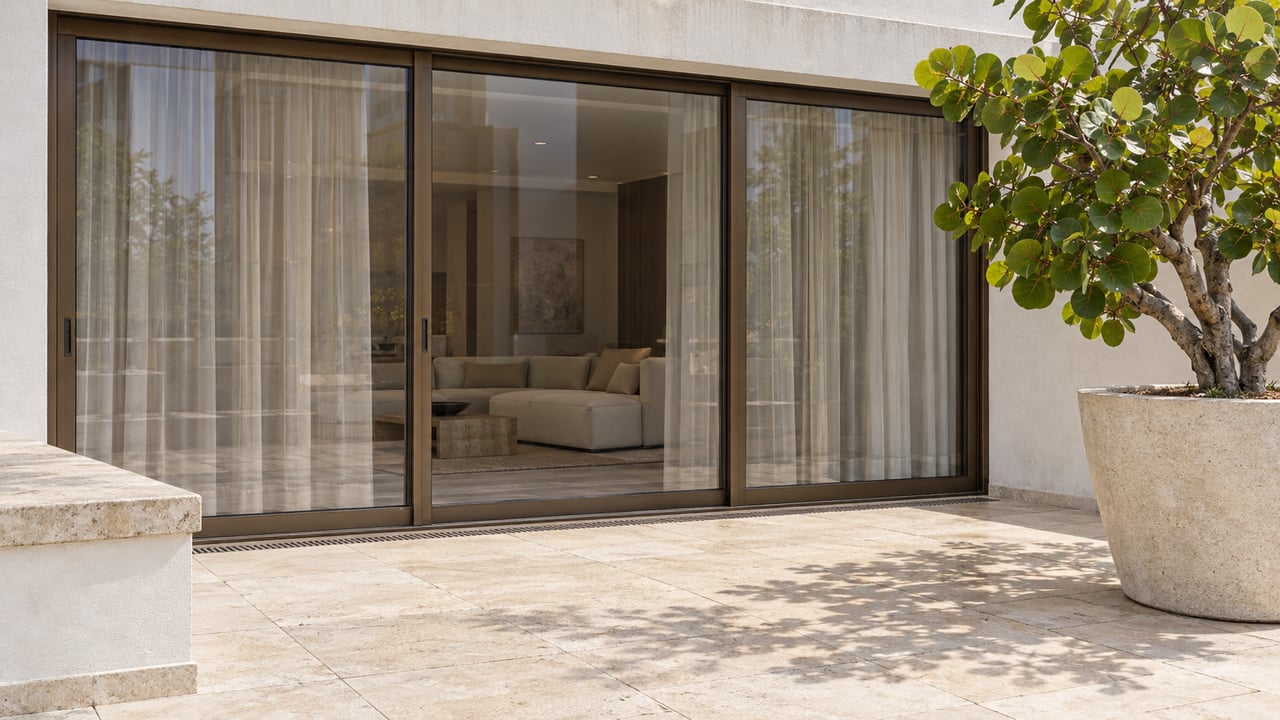
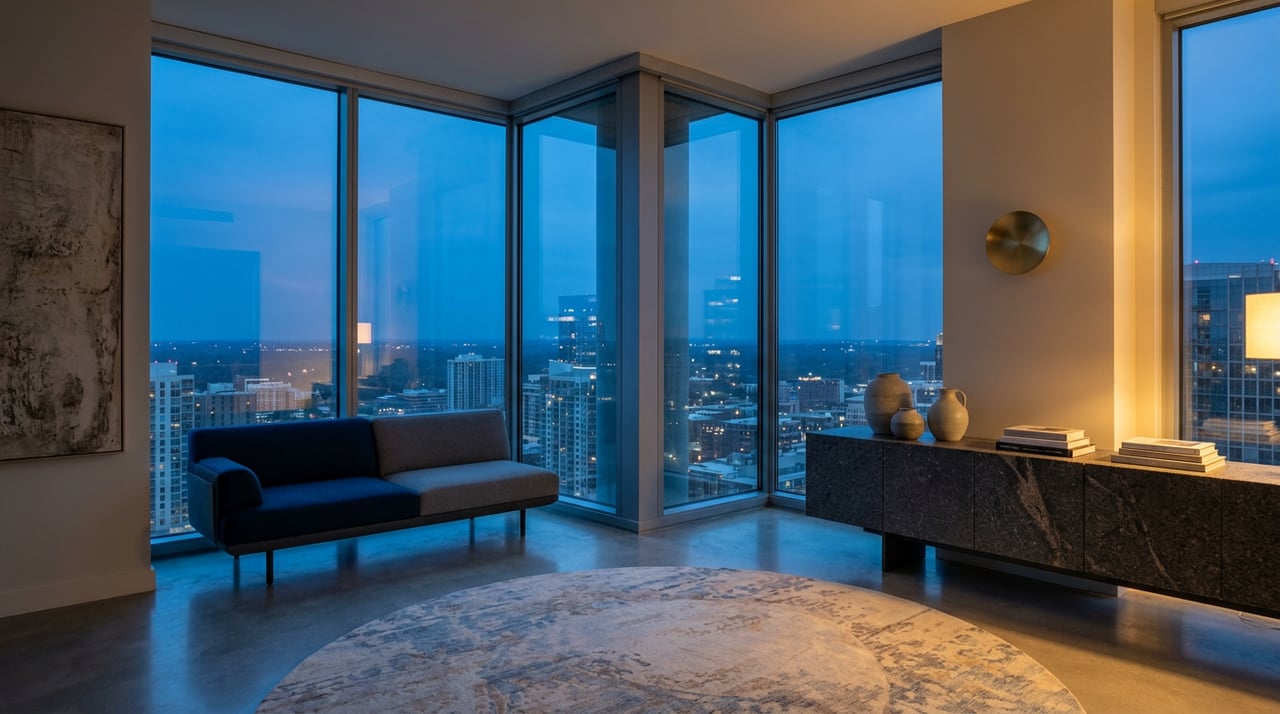
Architecturally, waterfront homes in Coral Gables often lean contemporary, modern tropical, or modern-Mediterranean. That shift reflects the priorities of waterfront living, where floor-to-ceiling light, wide views, and indoor-outdoor flow tend to shape design choices.
Recent listings in the market show this clearly, with homes marketed around broad waterfront footage, private docks, and open layouts designed to maximize the setting. Even in older enclaves, newer construction has pushed many waterfront streets toward cleaner-lined custom design.
Waterfront Lifestyle Trade-Offs
The upside of waterfront living is obvious if boating is central to your lifestyle. You may gain private dockage, fast access to Biscayne Bay, and a setting that feels deeply connected to the water.
The trade-offs are also real. Coral Gables notes that docks, seawalls, bulkheads, and wharves require specific residential permits and preliminary Miami-Dade approval, and the city’s flood-protection guidance makes clear that ownership on or near the water involves additional regulatory and maintenance exposure.
Inland Estates in Coral Gables
Inland estates offer a different version of luxury. Instead of paying primarily for marine access, you are often paying for lot size, mature landscaping, historic architecture, and a quieter garden-city setting.
Coral Gables describes itself through lush green avenues, civic landmarks, and a strong garden-city identity. That description aligns closely with the appeal of many inland estates, where the atmosphere is shaped by canopy, hedges, setbacks, and preserved streetscapes.
What Inland Buyers Prioritize
If you are focused inland, your search criteria usually shift. Buyers tend to emphasize:
- Lot size and usable grounds
- Tree canopy and privacy
- Historic designation
- Renovation scope
- Gated entry or hedged perimeter
- Proximity to parks, shopping, and the civic core
Inland buyers can still find substantial land. The difference is that the land is valued more for privacy, scale, and setting than for boating functionality.
Inland Architecture and Character
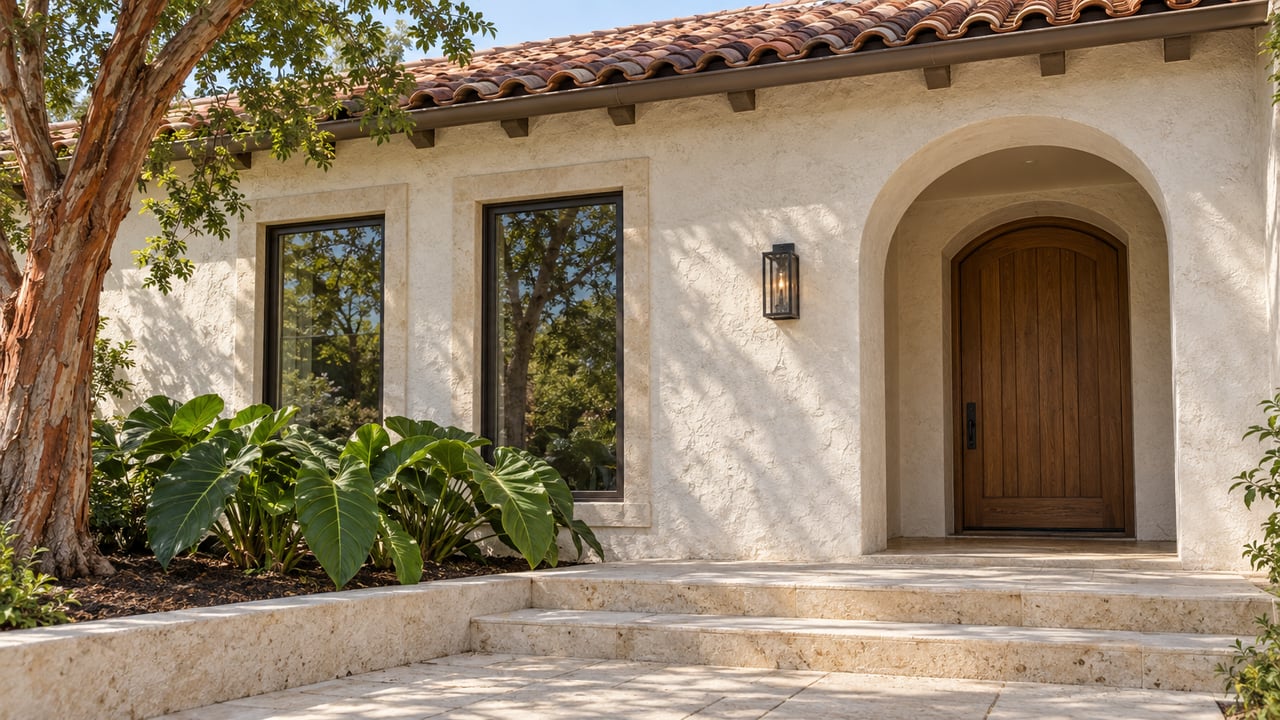
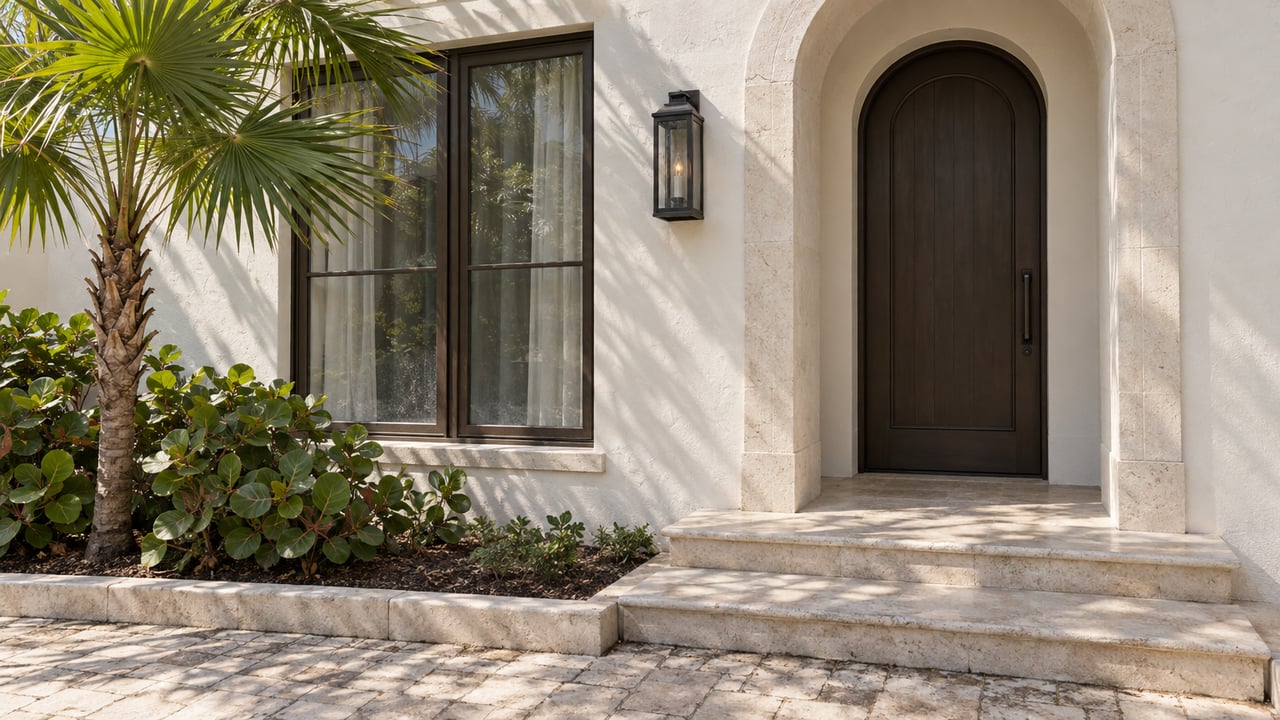
Coral Gables has a strong architectural identity rooted in Mediterranean Revival and coral rock. The city identifies City Hall and the Douglas Entrance as key Mediterranean Revival examples, and it reports that more than 1,000 properties are on the Coral Gables Register of Historic Places.
That historic foundation is especially visible inland. Listings in areas such as Castile Avenue, Italian Village, and Obispo Avenue reflect an estate character shaped by older architectural forms, landscaped lots, and preservation-minded surroundings.
For some buyers, that sense of permanence is the point. An inland estate can offer a level of architectural provenance and garden character that feels very different from a dock-driven waterfront purchase.
Price Differences Between Waterfront and Inland
At the city level, Coral Gables remains one of Miami-Dade’s premier luxury markets. Miller Samuel reported a Q4 2025 single-family median sales price of $1.915 million, an average sales price of $3.93 million, and 92 days on market.
At the top end, the numbers rise quickly. In the same report, the top 10% luxury single-family segment posted an $11.7 million median, a $17.2 million average, 126 days on market, and a $7.5 million entry threshold.
Waterfront Usually Commands the Premium
Waterfront estates sit at the highest end of Coral Gables pricing. MIAMI REALTORS reported that Miami-Dade’s luxury single-family threshold reached $4.1 million in Q1 2026, while the ultra-luxury threshold reached $13.6 million.
Coral Gables plays an outsized role in that segment. In 2025, the city accounted for 22 of Miami-Dade’s 114 single-family sales above $10 million.
Some waterfront enclaves sit far above citywide medians. Redfin’s Tahiti neighborhood snapshot, for example, showed a $10.3 million median sale price over the prior three months.
Total Price and Value Density Are Not the Same
One of the most useful comparisons for buyers is this: waterfront premium is real, but total price and price per square foot do not always move together. In one example from the market, a Cocoplum waterfront sale on Los Pinos closed at $6.75 million, or about $1,053 per square foot.
By contrast, a gated inland Banyan Lakes estate on Kerwood Oaks closed at $7.5 million, or about $856 per square foot. The waterfront home carried higher value density, but the inland estate sold for more total dollars because of lot scale, land character, and compound appeal.
That is a key Coral Gables nuance. Inland does not automatically mean less expensive, especially when acreage, privacy, or estate scale come into play.
How to Decide Which Path Fits You
The right choice usually comes down to how you want the property to work for you day to day. If your vision includes keeping a boat at home, minimizing time from dock to bay, and centering your lifestyle around the water, the premium for waterfront may make sense.
If you care more about architecture, gardens, privacy, and a lot that feels established and substantial, inland estates may offer a stronger fit. In Coral Gables, both categories can be trophy assets, but they deliver value in different ways.
Waterfront May Be Right for You If
- You want private dockage or regular boating access
- You value bay or canal frontage as part of the asset itself
- You are comfortable evaluating seawalls, permits, and water-related maintenance
- You prefer newer or more view-oriented design
Inland May Be Right for You If
- You want more emphasis on land and privacy
- You appreciate historic or preservation-oriented architecture
- You prefer mature landscaping and a garden setting
- You want estate scale without making boating access a priority
Why Local Guidance Matters in Coral Gables
Coral Gables is nuanced, even by South Florida luxury standards. Waterfront is not one price tier, and inland is not one architectural style. The details of a specific lot, water access point, historic context, and future improvement potential can all affect value.
That is why a broad city average only tells part of the story. Serious buyers benefit from comparing not just price, but also utility, maintenance exposure, land value, and how each submarket aligns with their goals.
For a private, tailored discussion about Coral Gables estates, connect with Cassis Burke Collection. Their senior-led, discreet approach is built for buyers and sellers navigating Miami’s most limited and high-value residential assets.
FAQs
What is the main difference between waterfront and inland estates in Coral Gables?
- Waterfront estates are typically valued for boating access, docks, and water frontage, while inland estates are more often valued for lot size, privacy, landscaping, and historic architectural character.
Are waterfront homes in Coral Gables always more expensive than inland estates?
- Not always. Waterfront homes often command a higher price per square foot, but some inland estates sell for more total dollars because of larger lots, compound scale, or distinctive land character.
What should buyers check when touring Coral Gables waterfront properties?
- Buyers should focus on boating access, bridge clearances, dock depth, seawall condition, view corridors, and whether the property’s value is tied more to the existing home or the land.
What makes inland Coral Gables estates appealing to buyers?
- Inland estates often appeal to buyers who want mature landscaping, tree-lined streets, historic or Mediterranean Revival architecture, larger grounds, and a garden-oriented setting.
Do waterfront properties in Coral Gables involve different ownership considerations?
- Yes. Waterfront ownership can involve added permitting, seawall and dock considerations, and greater flood- and maintenance-related exposure than many inland properties.
Is Coral Gables one uniform luxury market?
- No. Coral Gables is better understood as a collection of estate submarkets, with different value drivers across waterfront enclaves, historic inland streets, and large-lot gated communities.