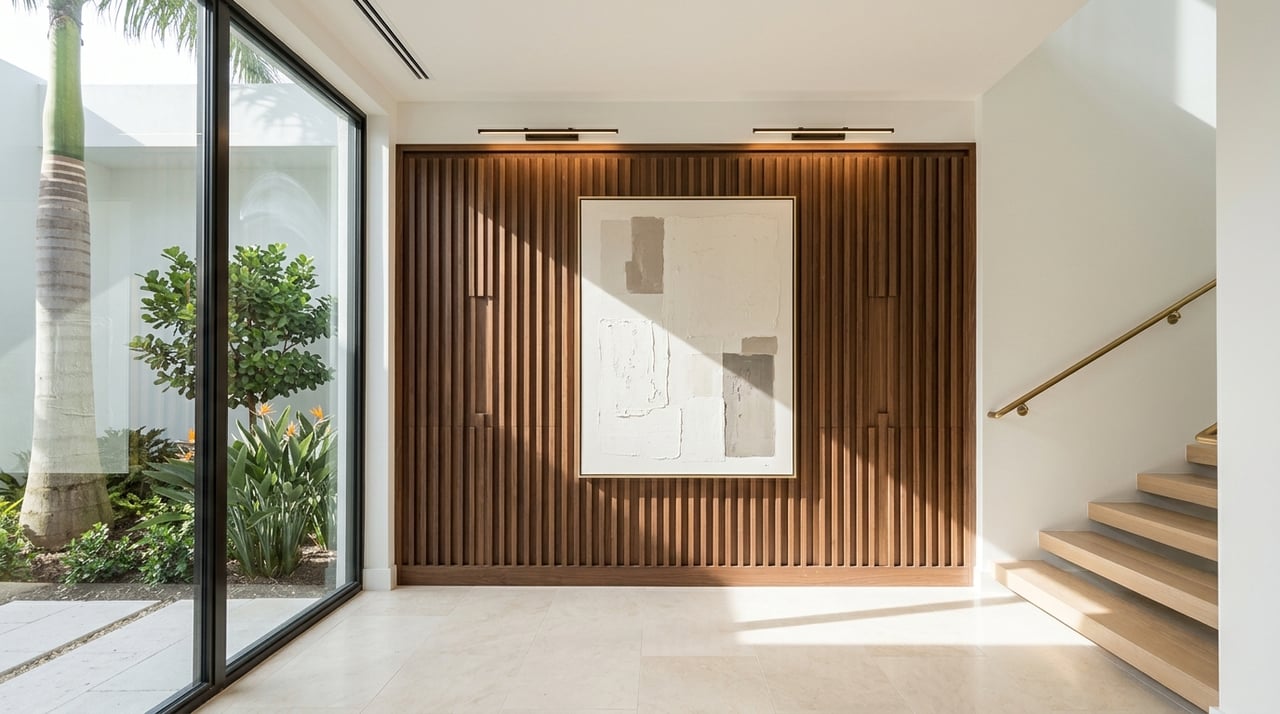
What makes a Miami luxury home memorable? In this market, it is rarely just the square footage, water frontage, or finish level. You are often responding to something deeper: how a home reflects Miami’s art scene, architectural identity, and design culture. If you are buying or selling at the high end, understanding that connection can help you read value more clearly. Let’s dive in.
Miami Luxury Is Also Cultural
Miami’s luxury market sits inside a city shaped by major art and design institutions. Art Basel’s Miami Beach edition welcomed 283 galleries from 43 countries and territories in 2025, while Design Miami positions its Miami Beach fair as a global platform for collectible design. Alongside Pérez Art Museum Miami and ICA Miami, these institutions make art and design part of everyday life in the city.
That matters because buyers in Miami are often evaluating more than a home’s measurements or views. They are also asking whether a residence feels curated, visually coherent, and connected to the design language of its surroundings. In a market trained to notice architecture, art, and presentation, atmosphere carries real weight.
Why Design Shapes Buyer Perception
In many luxury markets, a beautiful home is enough. In Miami, a beautiful home that feels native to its setting often stands out more. A residence that echoes the neighborhood’s architectural character can feel more complete, more intentional, and more aligned with what buyers expect at the top of the market.
This is why art-friendly interiors, sculptural forms, and seamless indoor-outdoor spaces can have strong appeal. They do not read as decoration alone. They signal that the home understands where it is and how luxury is expressed in Miami.
Miami Beach Architecture Sets A Tone
Miami Beach offers one of the clearest examples of how built form adds to address value. The city says it has the world’s largest collection of Art Deco structures, along with Mediterranean Revival and MiMo architecture with tropical flair. Its historic districts include more than 2,600 buildings, with 70% identified as contributing or historic.
That preservation culture shapes how buyers experience the area. In Miami Beach, the surrounding streetscape is part of the luxury story. The visual identity of the neighborhood can make homes with geometric profiles, polished detailing, and tropical modern references feel especially fitting.
What Feels At Home In Miami Beach
The city’s architectural language offers useful clues. Art Deco geometry, clay-tiled roofs, sunshades, mosaic walls, and tropical modern forms all belong to the local design vocabulary. High-end homes that draw from those cues often feel rooted in place rather than interchangeable.
For you as a buyer, that can mean looking beyond finishes alone. Consider whether the home’s lines, materials, and proportions feel consistent with the broader character of Miami Beach. That visual harmony can influence how a property is perceived over time.
Design District Living Feels Contemporary
The Miami Design District presents a different expression of luxury. The district describes itself as a creative neighborhood with world-class dining, shopping, art, events, and inspiration. It is anchored by more than 200 global luxury brands, and its art program positions the neighborhood as an open-air museum where art, architecture, and design appear at every corner.
ICA Miami, located in the district, offers free admission and helps make contemporary art part of daily life there. The overall effect is a neighborhood where design is not limited to private interiors. It is visible in storefronts, public spaces, and the architecture around you.
What Buyers Often Notice In The Design District
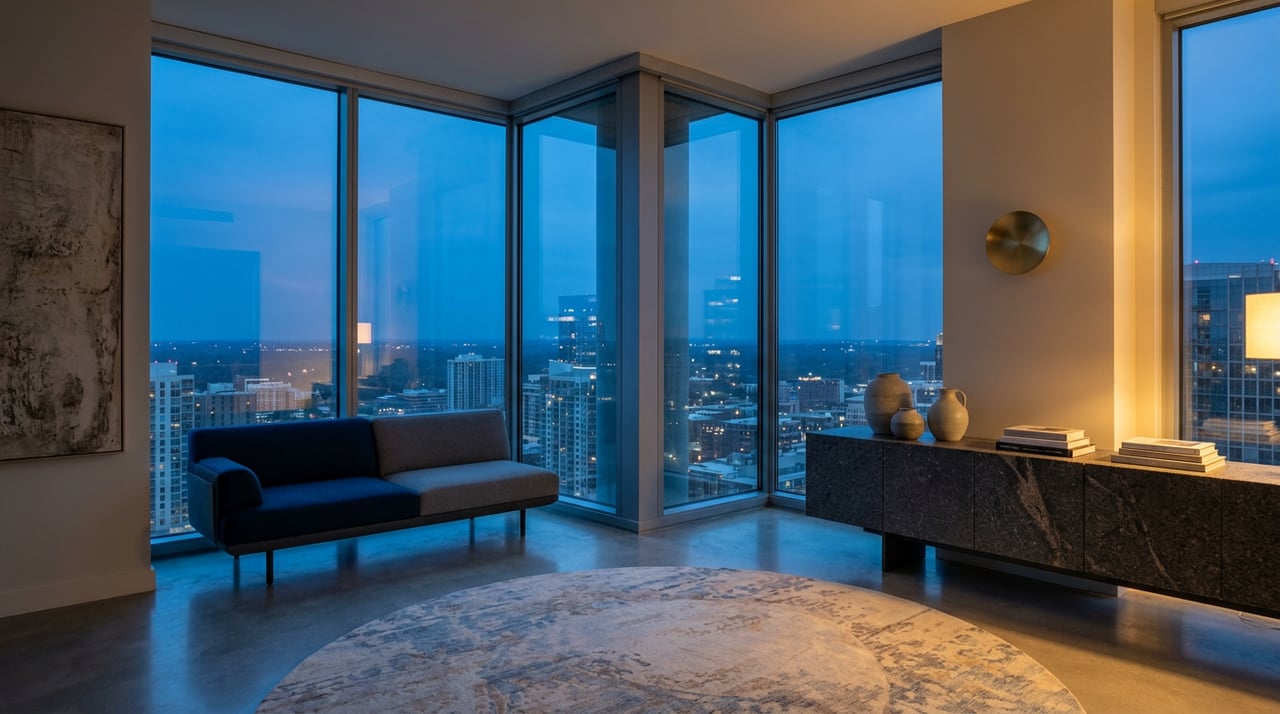
In this setting, clean-lined interiors often feel especially appropriate. Dramatic glass, sculptural lighting, and edited rooms can complement the district’s fashion and art focus without competing with it. The appeal comes from restraint as much as from luxury.
If you are comparing homes in this part of Miami, ask whether the residence feels visually disciplined. In a highly designed neighborhood, cohesion matters. A home that presents as calm, modern, and gallery-ready may resonate more strongly than one that feels overly busy.
Coconut Grove And Coral Gables Offer Layered Style
Coconut Grove and Coral Gables express Miami luxury in a more landscape-driven and historically layered way. The City of Miami describes Coconut Grove through its historic legacy, architectural variety, natural aesthetic, walkable character, and access to the water. Coral Gables, through its landmarks and design guidance, continues to reflect Mediterranean Revival influences, coral rock, and native oolitic limestone.
These neighborhoods show that Miami luxury is not one look. Here, the appeal often comes from architectural depth and a stronger relationship between home and garden. The experience can feel quieter, more established, and more rooted in material warmth.
Design Cues That Fit These Neighborhoods
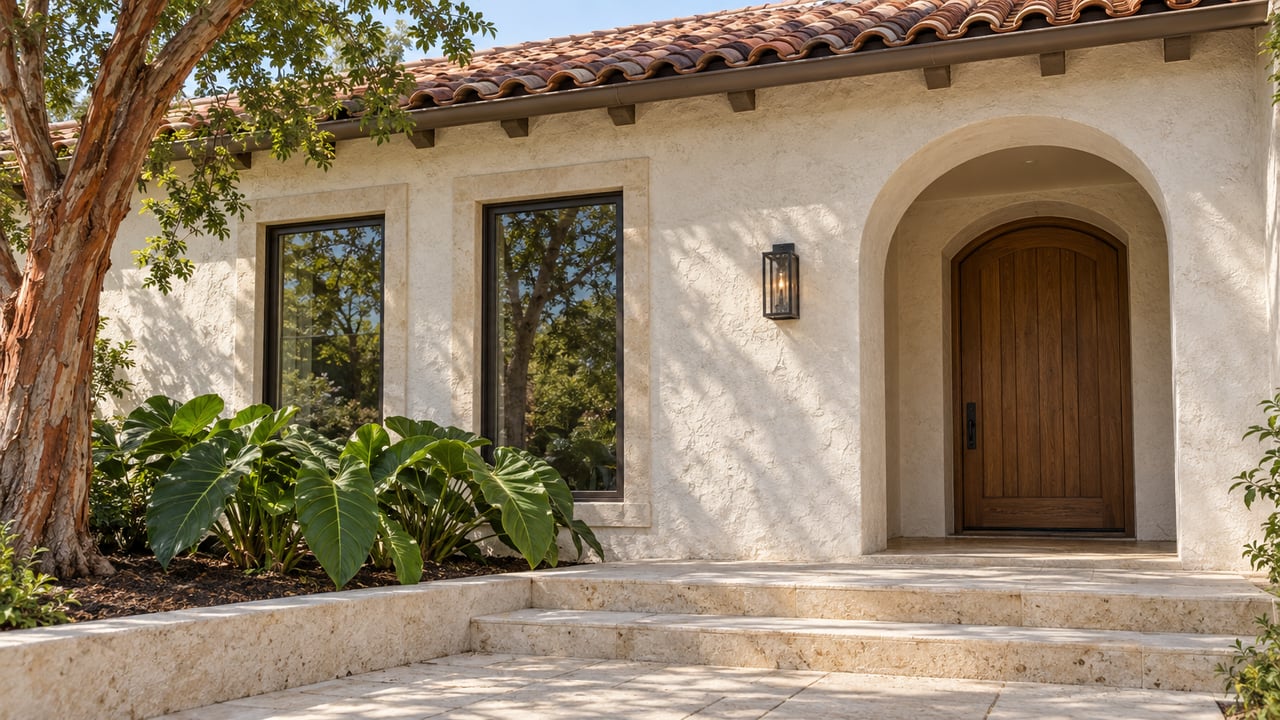
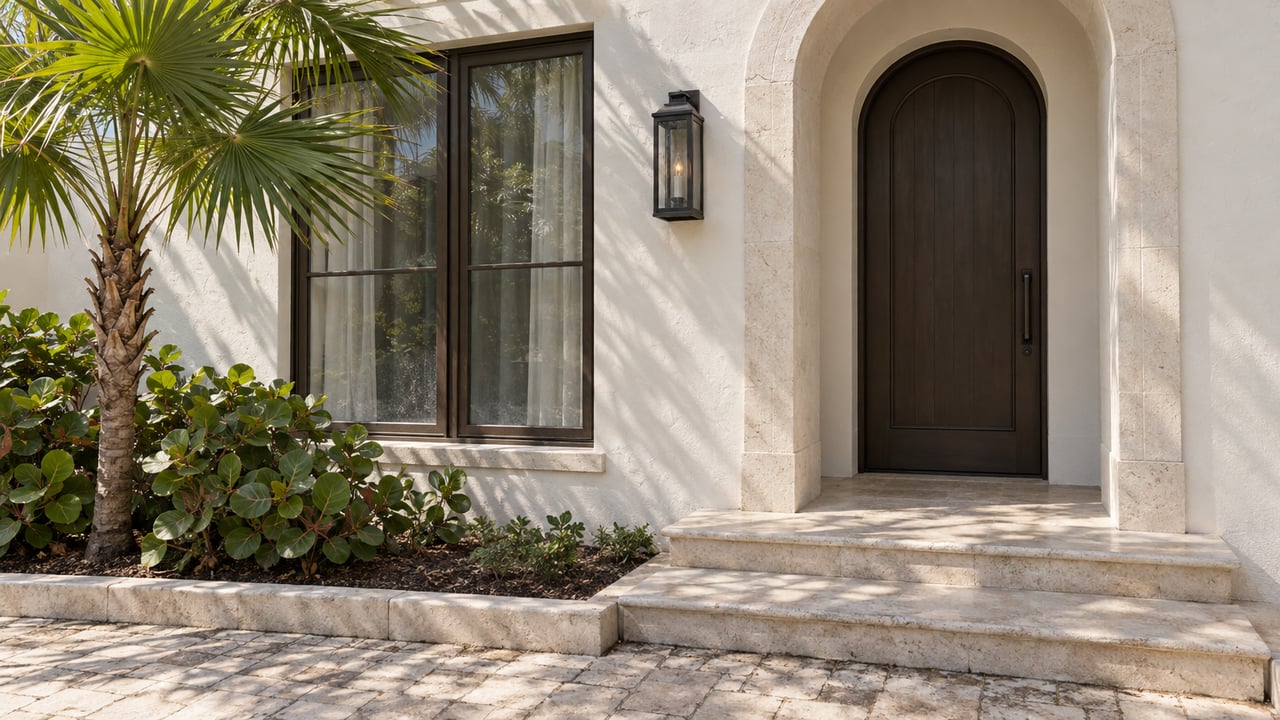
Courtyards, arches, clay tile, natural stone, and lush landscaping often feel aligned with the visual language of Coconut Grove and Coral Gables. Indoor-outdoor living still matters, but it may show up through shaded terraces, garden rooms, and thoughtful transitions instead of a purely sleek, urban presentation.
For buyers, this means paying attention to how the home sits on the site. In these neighborhoods, mature landscaping, proportion, and material authenticity can be just as important as interior finishes. A property’s appeal often comes from the way architecture and landscape work together.
Bal Harbour Blends Privacy And Polish
Bal Harbour brings another version of Miami luxury into focus. The village describes itself as a one-square-mile enclave that blends natural beauty with impeccable style, with high-end shopping, five-star hotels, and a secluded beach. It also highlights curated art activations and year-round museum access, including admission benefits tied to institutions such as PAMM and the Rubell Museum.
Bal Harbour Shops adds another layer to that identity. It describes itself as the first all-luxury fashion center in America and the first to make lush landscaping central to retail design. Together, these details support a polished, curated, resort-like sensibility.
Why Bal Harbour’s Aesthetic Resonates
Homes in and around Bal Harbour often benefit from that same sense of refinement. Buyers may respond to properties that feel composed, serene, and highly intentional. The goal is not excess for its own sake. It is a clean, elevated atmosphere that mirrors the village’s understated style.
If you are evaluating property here, ask whether the home delivers privacy and visual calm. In a setting known for style and discretion, those qualities can shape appeal as much as views or amenities.
Indoor-Outdoor Design Matters In Miami
Across Miami’s luxury neighborhoods, climate-aware design is one of the strongest recurring themes. Pérez Art Museum Miami offers a helpful reference point. Its building was designed to respond to Miami’s climate with an elevated platform, a deep canopy, a shaded veranda, and plazas that connect the museum to the surrounding park.
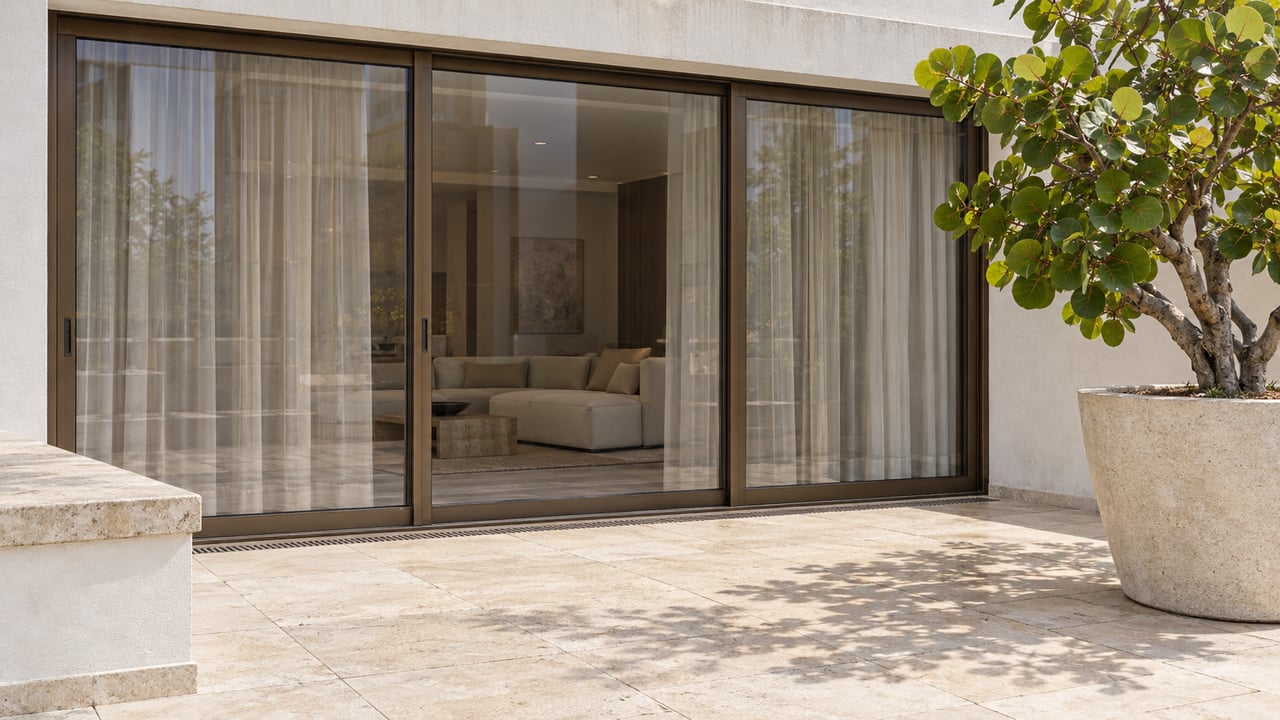
That same logic helps explain what works so well in luxury homes. Terraces, overhangs, shaded outdoor rooms, and smooth transitions between inside and outside are not just aesthetic choices. They support the way people actually want to live in Miami.
Features That Support Miami Living
When you walk a property, look for elements that make outdoor use feel easy and natural:
- Deep terraces or covered outdoor areas
- Overhangs and shading features
- Strong visual flow between interior and exterior spaces
- Layouts that make outdoor rooms feel like true extensions of the home
These features can strengthen day-to-day enjoyment while also helping a property feel more connected to the local environment.
Art-Friendly Homes Stand Out
In Miami’s upper tier, homes often function as backdrops for collecting, entertaining, and visual presentation. That does not mean every buyer is an art collector. It does mean that many buyers appreciate homes with enough clarity and balance to support art, design objects, or strong architectural moments.
This is where proportion and editing become important. Clean walls, thoughtful lighting, and rooms with visual breathing space can make a residence feel more sophisticated. In a city where public art, fairs, and museums are part of the rhythm of life, that readiness matters.
What Buyers Should Ask
If you are shopping for a luxury home in Miami, it helps to evaluate each property through a design lens as well as a financial one. A few questions can sharpen your thinking:
- Does the home feel aligned with the neighborhood’s established visual language?
- Does it support art, entertaining, or a curated lifestyle?
- Are the indoor and outdoor spaces connected in a way that feels effortless?
- Does the property feel generic, or does it feel distinctly of Miami?
These questions can help you move past surface-level impressions. In many cases, the homes that hold attention longest are the ones with the strongest sense of place.
What Sellers Can Learn From This
If you are preparing to sell, Miami’s art and design culture offers a useful framework for presentation. Buyers at the high end often respond to homes that feel coherent rather than crowded. Styling, lighting, and editing should support the property’s architecture, not distract from it.
That does not mean overdesigning a residence. It means clarifying its identity. A Miami Beach property may benefit from emphasizing geometry and polish, while a Coral Gables home may shine through material warmth, arches, and landscape integration. The most effective presentation often comes from aligning the home with the design language buyers already recognize in that location.
Miami luxury works best when a home feels like an extension of the city around it. Art, architecture, and design are not side notes here. They help shape how buyers interpret quality, provenance, and belonging. If you want guidance on how a property fits its market, or how to position it with precision, Cassis Burke Collection offers senior-led, discreet advice tailored to Miami’s most design-conscious buyers and sellers.
FAQs
How does art influence Miami luxury home appeal?
- Miami’s art ecosystem, including Art Basel, Design Miami, PAMM, and ICA Miami, helps buyers value homes that feel curated, visually coherent, and connected to the city’s cultural identity.
What architectural styles matter in Miami Beach luxury real estate?
- Miami Beach is known for Art Deco, Mediterranean Revival, and MiMo architecture, so homes that reflect geometric forms, tropical modern details, and polished design cues often feel well matched to the area.
Why does the Miami Design District affect nearby luxury home preferences?
- The Design District’s mix of art, architecture, luxury brands, and public design creates a contemporary setting where clean-lined, gallery-ready homes often feel especially appropriate.
What design features suit Coconut Grove and Coral Gables homes?
- In Coconut Grove and Coral Gables, buyers often respond to courtyards, arches, clay tile, natural stone, lush landscaping, and strong indoor-outdoor connections that fit the neighborhoods’ established architectural character.
Why is indoor-outdoor living important in Miami luxury homes?
- Miami’s climate supports features like shaded terraces, overhangs, verandas, and transitional outdoor rooms, which help homes feel comfortable, functional, and true to the local lifestyle.
What should a buyer look for in a design-driven Miami luxury home?
- You should look for a home that fits its neighborhood’s visual language, supports art and entertaining, and creates a seamless connection between interior spaces and outdoor living areas.