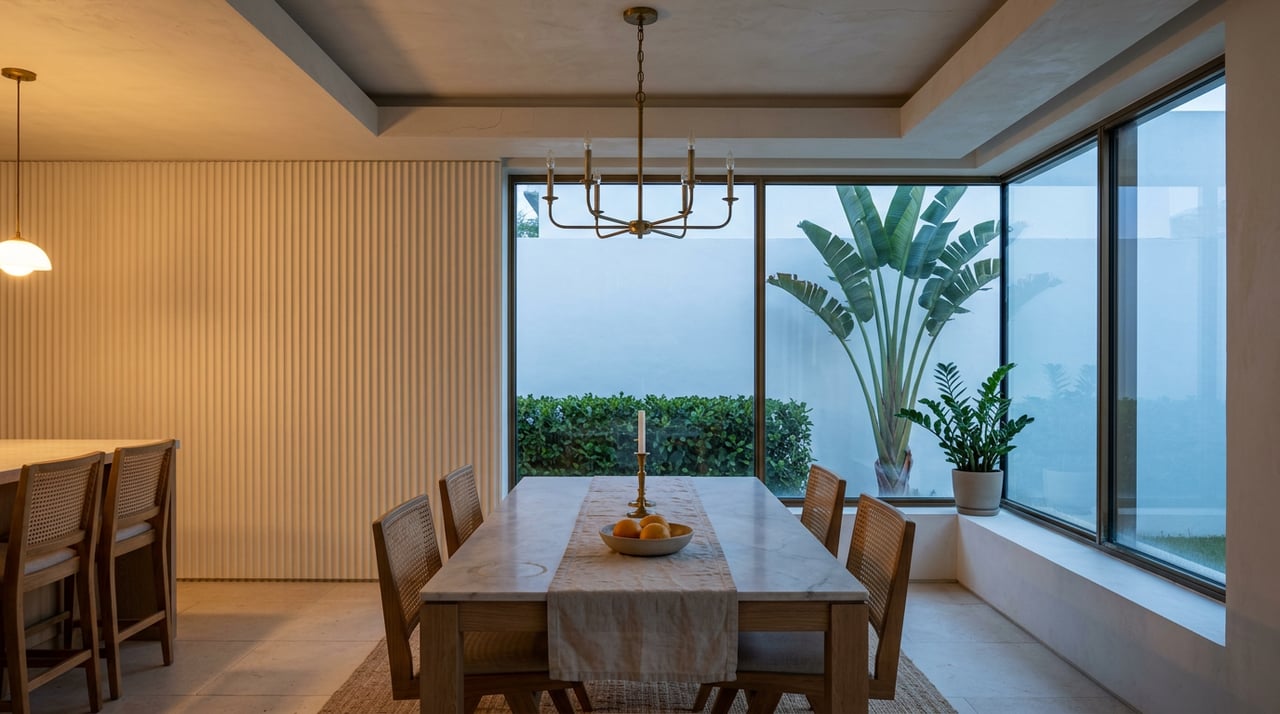
If you've driven down Miracle Mile this summer, you've probably heard about Azul. The full-service Mexican restaurant targeting an October opening at 127 Miracle Mile will seat about 200 people, run a bar program built around tequila, and mark the first Miami-area location for a brand that built its name in Cape Coral and Fort Myers. Owner Franklin Andrade told a local business outlet the plan plainly: "We have Cape Coral first, then we open Fort Myers, and now we're going to Miami."
It's the kind of opening that gets talked about at dinner parties. It's also, on the current record, the only major Coral Gables restaurant this year built by an operator who has never run a kitchen here before. Everyone else who's opened, reopened, or announced a debut in 2026 already knew the neighborhood, and every one of them chose to build something smaller than their résumé would suggest.
What Actually Landed Between January and Now
Strip away the headlines and the year looks like this:
- Casa MX opened January 24 at 2345 SW 37th Ave, inside a converted Coral Gables house rather than a high-rise or strip mall. It's chef Mario Bernal's first restaurant after a decade with the José Andrés Group and stints at The Setai, Hotel Victor, Rosa Mexicano, and Barcelona Wine Bar.
- Casa Vialetto reopened in late May at 267 Alhambra Circle, bringing back the Italian menu that defined Caffe Vialetto for 26 years before it closed in August 2025. Owner Marcelo Chopa is now running it solo after his longtime partner retired.
- Stand opened June 4 at 98 Miracle Mile. It's a 24-seat daytime café from the team behind Shingo, one of Miami's first Michelin-starred restaurants, serving Japanese egg salad sandwiches and milk bread rather than anything resembling a tasting menu.
- Zuccaly, Da Silva Hospitality's first Italian food hall, is landing this summer at 111 Palermo Ave. inside Plaza Coral Gables, positioned as the deliberately casual counterpart to the group's flagship, Zucca, which the same team has run since 2017.
Four operators, a mix of cuisines, and one repeated decision: go smaller, go more casual, or go back to something that already worked.
The Pattern Underneath the Openings
None of these are unproven cooks testing an idea. Bernal spent ten years inside one of the most demanding hospitality organizations in the country before opening anything under his own name, and when he finally did, he picked a 2,800-square-foot former residence over a flashier commercial shell. The Shingo team already has a Michelin star. Their next move in Coral Gables wasn't a second fine-dining room. It was a 24-seat sandwich counter. Da Silva Hospitality has run the upscale Zucca since 2017. Its move this year is a food hall built around pizza al taglio and family-style pasta stations, with the company describing it as space for people who want "a more casual, comfortable, less formal setting."
That's four operators with more culinary credibility than most cities see in a decade, and all four are betting on lower price points, smaller footprints, or a comeback rather than a bigger stage. Azul is the outlier not because it's Mexican in a Gables food scene that already has strong Mexican options, but because it's the only concept this year built by a team with zero prior track record in this specific market, and it's also the biggest room, the fullest bar, and the only one aiming squarely at 200 covers a night.
The Café That Doesn't Stay a Café
Stand is worth a second look because it's not really one restaurant. It opens as a daytime café serving sandos, matcha, and bento through the afternoon, and later this year it's set to shift into a nighttime izakaya with sake, wine, and a sound system built around high-end Lipinski speakers. That's a hedge only a team with an existing reputation could pull off. A newcomer betting everything on 200 seats and a tequila list doesn't get to test two identities in the same square footage before committing. An operator who already has a Michelin star attached to their name does.
It's the clearest version of the pattern in the neighborhood right now. The people who've already proven they can run a serious kitchen in Coral Gables are the ones willing to experiment in public. The people arriving from outside are the ones building for scale on day one.
The Rest of the Calendar Didn't Move
None of this changes what a Wednesday or a Saturday actually looks like a few blocks off the Mile. Gables Gallery Night still runs monthly, with fine art and live music drawing people out after dinner. Gables Bike Tours still run every third Sunday from the Coral Gables Museum, each ride built around a different theme and route through the city. The Coral Market at the historic Merrick House still sets up its vintage stalls on its own monthly schedule.
The city's own dining calendar has shifted too. July's Taste the Gables program, which this year pulled in more than 75 restaurants for prix fixe menus, has given way to Miami Spice. It's the same seasonal handoff Coral Gables makes every year, timed to when the summer crowds thin out and locals reclaim their own restaurants.
None of that is new information if you already live here. What's new is what's filling in behind it. The neighborhood's most credentialed chefs aren't chasing the biggest room on the block this year. They're betting that the smaller one, or the one that's already earned twenty-six years of trust, is the one worth building.
That's the part a scroll through restaurant openings won't tell you on its own. It takes watching who's actually behind each address, and for how long they've already been cooking in this city, to see it.
For those tracking the neighborhood for reasons beyond dinner reservations, that same kind of attention to detail defines how Cassis Burke Collection works with clients across Coral Gables. If you'd like a conversation about the market here, request a private consultation whenever the timing is right.