If you are selling a historic estate in Coral Gables, you are not just bringing a home to market. You are presenting a rare asset in one of South Florida’s most internationally connected and architecturally distinct settings. That takes more than beautiful photos and a polished listing description. It requires a strategy built around provenance, preservation, and global buyer behavior. Let’s dive in.
Why Coral Gables Appeals Globally
Coral Gables has a built-in story that few luxury markets can match. The city identifies itself as the “City Beautiful” and “Garden City,” and it reports more than 1,000 properties on the Coral Gables Register of Historic Places. It also says the city is home to more than 20 consulates and foreign government offices and more than 140 multinational corporations.
For a seller, that matters. A historic estate here sits inside a market that already speaks to international buyers, executives, and collectors who value architecture, legacy, and location. In Coral Gables, the setting strengthens the property narrative before a buyer ever steps through the door.
Historic Homes Need a Different Sales Strategy
A historic estate should not be marketed like a standard luxury listing. Buyers at this level often want to understand not only scale and finishes, but also authorship, materials, preservation status, and the home’s place in the city’s history.
That is especially true in Coral Gables, where official landmark materials highlight Mediterranean Revival architecture, coral rock, and native oolitic limestone. The city also showcases distinctive historic areas and themed villages, which means neighborhood and architectural context can add real value to your positioning.
Provenance Matters More Than Generic Renovation
When you position a historic property for a global audience, the strongest story is often provenance. Buyers may respond more to an estate’s architectural lineage, original materials, and role in Coral Gables’ “City Beautiful” legacy than to a generic list of upgrades.
That shifts the marketing focus. Instead of presenting the home as simply renovated or expansive, you present it as a collectible residence with documented history and enduring design value.
Architecture Should Lead the Narrative
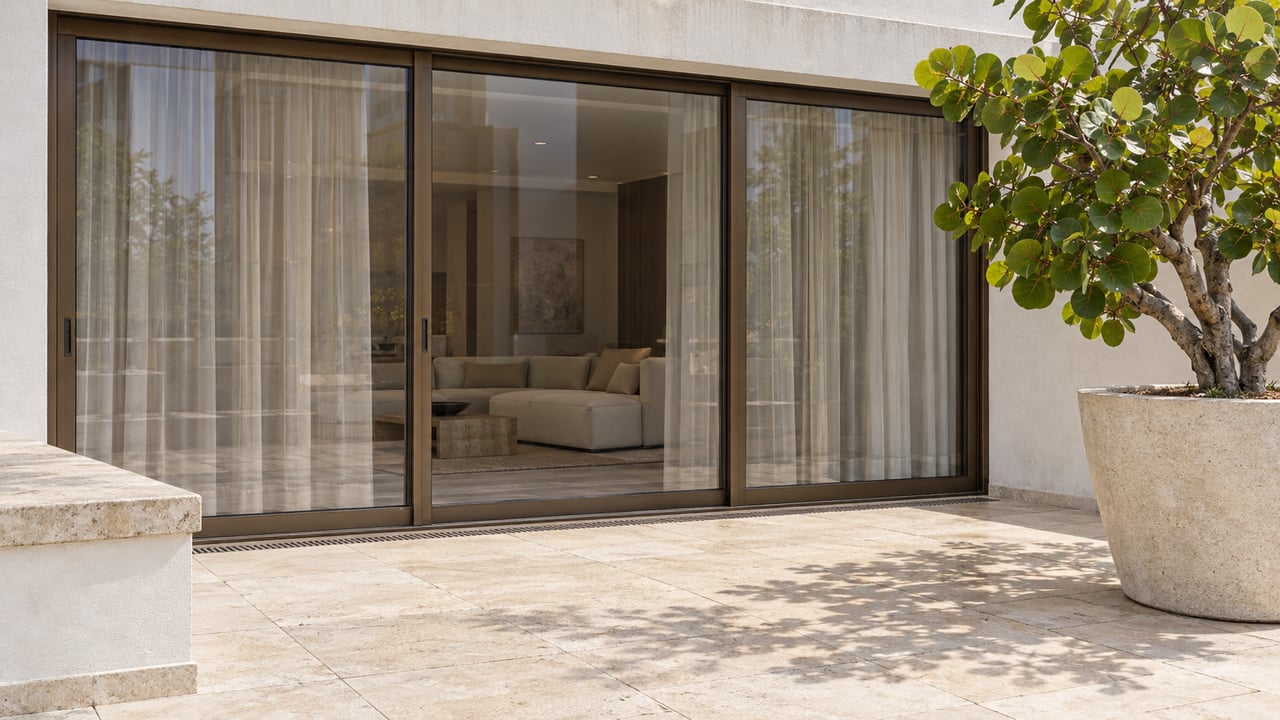
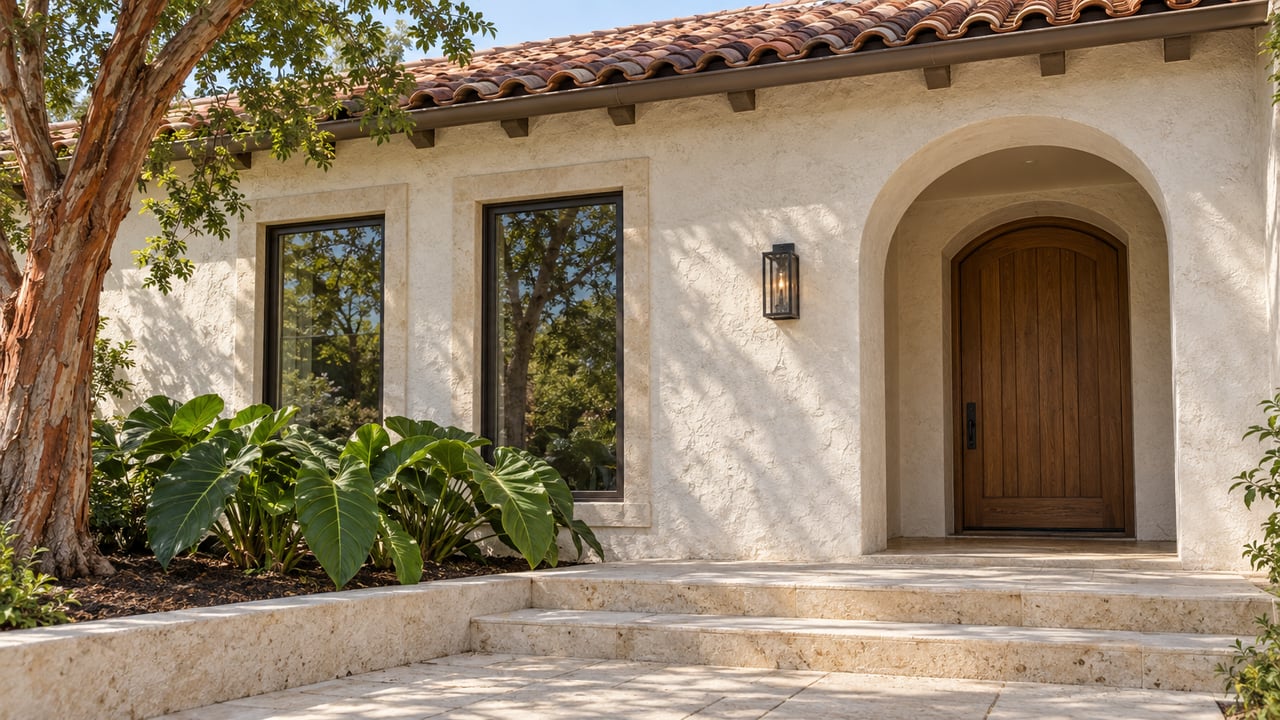
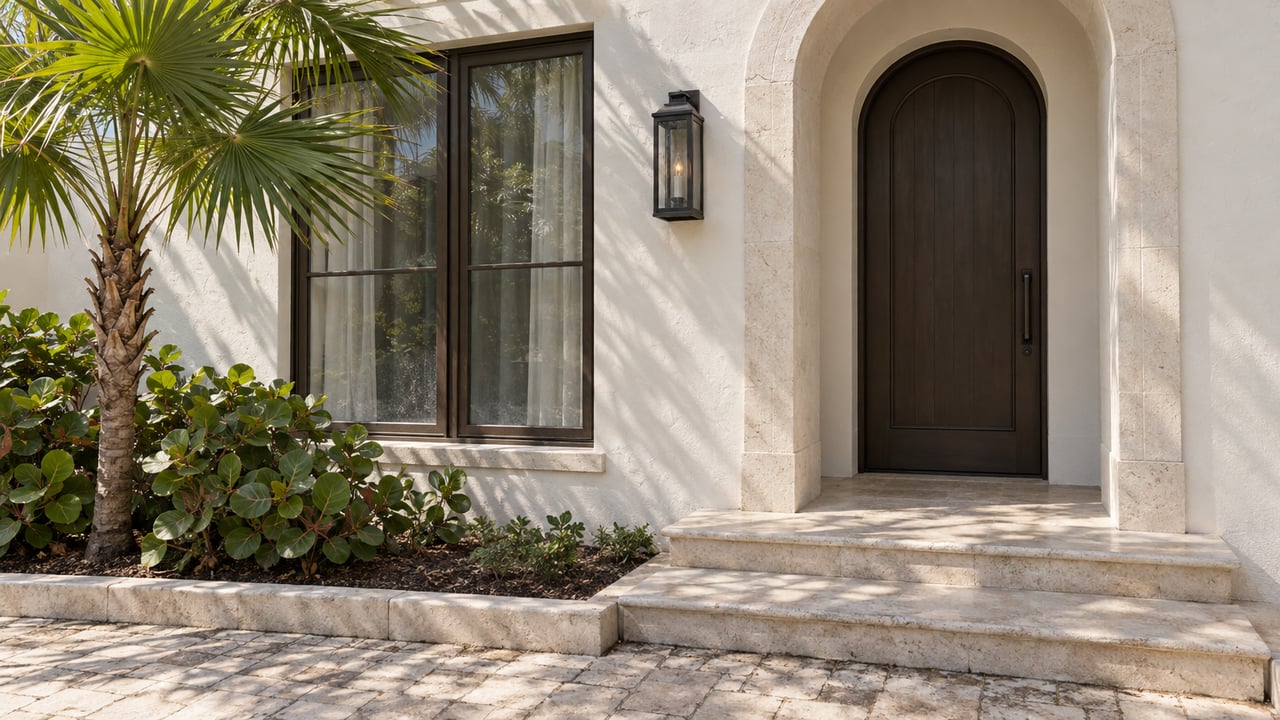
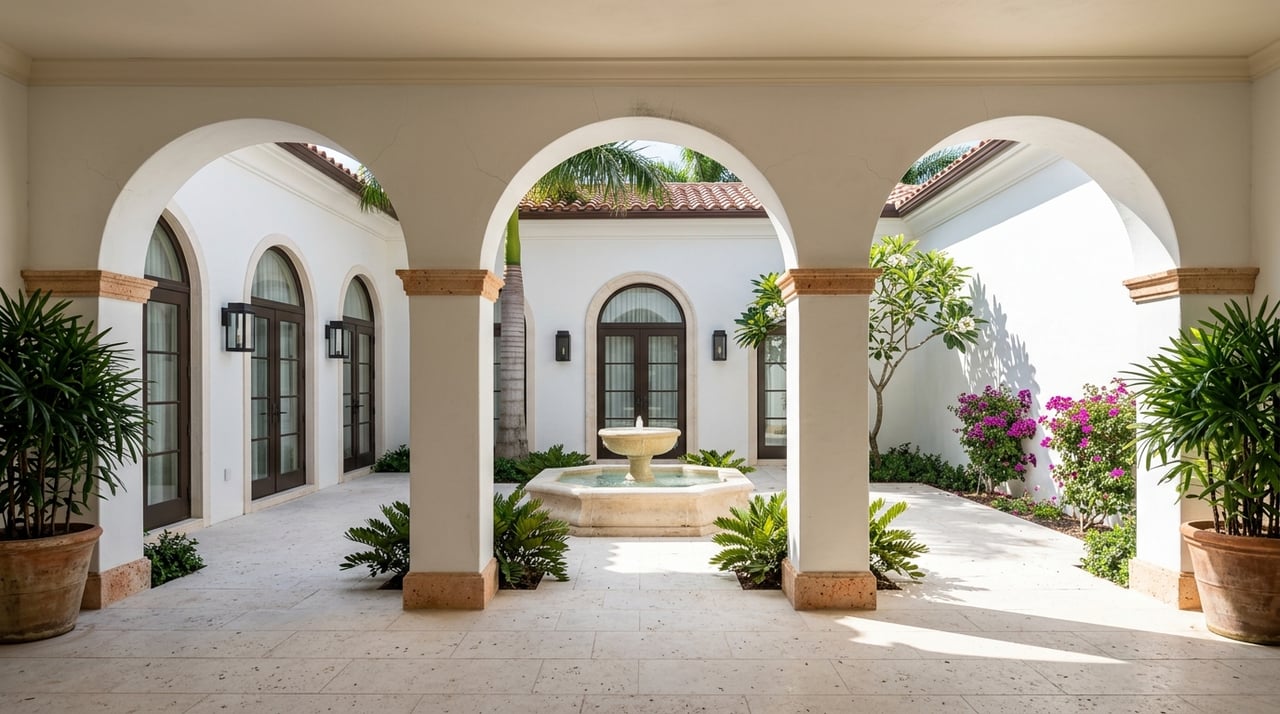
Your marketing should highlight the features that define historic character. In Coral Gables, that may include arches, loggias, courtyards, coral rock, limestone, barrel tile, original millwork, and landscape walls.
These are not background details. They are often central to why a buyer chooses a historic estate over a newer home, so they should be visible, well documented, and easy to understand in every piece of presentation material.
Build a Strong Provenance Packet
Coral Gables offers an unusually rich foundation for listing documentation. The city’s Virtual Historic City resource connects more than 8,000 digitized historical documents, photographs, oral histories, and maps to places across the city.
For sellers, that creates a real opportunity. You can build a provenance packet that goes far beyond standard MLS remarks and gives serious buyers a clear, credible record of what makes the estate important.
What to Include Before Listing
A practical documentation set may include:
- Historic designation report
- Historic significance narrative
- Prior permits
- Restoration invoices
- Architect or contractor credits
- Before and after photographs
- Certificate of Appropriateness records, if applicable
- Any covenant or preservation agreement
This material supports both marketing and due diligence. It also mirrors the types of documents that may be relevant in city and county review processes tied to historic properties.
Why Documentation Helps Global Buyers
Miami remains the top U.S. destination for global home buyers, according to MIAMI REALTORS®. Their 2025 data shows South Florida’s foreign-buyer share was 15%, compared with 2% nationally, and Miami-Dade accounted for 73% of South Florida foreign-buyer dollar sales.
Just as important, 69% of Miami foreign buyers lived outside the U.S., 65% visited Florida two times or less before buying, and 11% bought without visiting Florida at all. That means your property package has to support remote decision-making with clarity and confidence.
Market for Remote Decision-Making
For a global buyer, convenience is not enough. The presentation has to answer key questions quickly, accurately, and visually.
A historic Coral Gables estate should be packaged so a buyer overseas can understand the home’s scale, condition, history, and regulatory context without relying on a second visit. In many cases, the paperwork becomes part of the product.
Assets That Strengthen International Marketing
For this kind of listing, the most useful materials often include:
- Measured floor plans
- High-quality video
- Drone footage
- A condition summary
- Permit history
- Multilingual copy
- A well-organized provenance packet
These tools help buyers evaluate the estate with fewer unknowns. They also align with how international luxury buyers often shop in Miami-Dade.
Plan Around Preservation Rules Early
Historic positioning is strongest when there are no surprises. In Coral Gables, sellers should understand preservation review before the property goes live, especially if exterior work was recently completed, is in progress, or may be part of pre-sale preparation.
The city’s Historic Preservation division exists to preserve historic structures, sites, landscape elements, works of art, and related historic combinations. The city also states that preservation staff take plan-review appointments on Mondays and Wednesdays from 9 a.m. to 12 p.m., which gives owners a clear path to early guidance.
When a Certificate of Appropriateness Applies
For locally designated properties, a Certificate of Appropriateness is generally required before most exterior work begins, before a building permit is issued, and before a variance can be granted. Coral Gables also notes that some maintenance work may not require this review.
Interior remodeling is usually not reviewed unless ad valorem tax relief is being requested. That distinction can help sellers separate routine interior improvements from items that may affect historic review.
Standard vs. Special COA
The city distinguishes between two types of review:
- Standard COA for guideline-based work
- Special COA for demolition, removal, reconstruction, alteration, or new construction
If your estate has a complicated history of additions or exterior changes, it is wise to organize records early. Clear files can reduce uncertainty for both sellers and buyers.
Trees and Site Review Also Matter
In Coral Gables, site conditions can affect preparation as much as the structure itself. The Board of Architects meets every Thursday and reviews many exterior and site-related applications.
The city also requires a tree survey and tree protection plan for Development Review Committee and Board of Architects submittals, as well as demolition permit applications. If your estate has mature landscaping, documenting it before listing can be a smart part of pre-market planning.
Upgrades Should Respect Character
Historic homes do not have to feel frozen in time. The best-positioned estates preserve character-defining features while making discreet improvements to systems, resilience, and everyday function.
Coral Gables evaluates design changes against the Secretary of the Interior’s Standards for Rehabilitation. In practice, that supports a thoughtful approach: protect what gives the home identity, and make updates in ways that do not overpower the architecture.
Stage With Restraint
Staging should help a buyer see the home, not hide it. In a historic estate, that means keeping major architectural features visually open and easy to read.
If the property has arches, courtyards, stonework, original millwork, or strong landscape geometry, let those elements carry the visual story. A preservation-sensitive presentation often feels more refined and more credible to a discerning buyer.
Tax Incentives Require Verification
Some sellers assume a historic property comes with automatic tax advantages. In Coral Gables and Miami-Dade, that is not a safe assumption.
The current ad valorem process requires Part I before construction and Part II at substantial completion, along with supporting materials such as before photos, architectural plans, a Certificate of Appropriateness, proof of designation, and later after photos and completed-work documentation. The review then moves through city and county steps before reaching the Property Appraiser.
What Sellers Should Know
Both the city and county emphasize that this exemption is not a total tax waiver. It applies only to the increase in taxes created by qualifying improvements and only to participating taxing authorities.
Miami-Dade also notes that annual filing is due by March 1, and current eligibility examples focus on designated historic properties about to be restored, including certain commercial or nonprofit public-access uses. If you own a privately held single-family estate, confirm eligibility directly before using a tax incentive in your sale narrative.
Position the Estate as a Scarcity Asset
South Florida’s luxury market continues to show depth. MIAMI REALTORS® reported 361 home sales of $10 million and up in 2025, while Miami-Dade single-family sales at $1 million and above rose 12% year over year in December 2025.
That momentum supports ambitious pricing only when the asset is properly framed. For a historic Coral Gables estate, the goal is not broad exposure for its own sake. The goal is precise exposure to buyers who understand rarity, architectural significance, and long-term value.
Why Senior-Led Execution Matters
With a trophy property, details carry weight. Provenance, paperwork, privacy, presentation quality, and buyer qualification all influence the outcome.
That is why historic estates benefit from a senior-led approach with international reach, discreet positioning, and the ability to manage a complex buyer pool. When the audience includes overseas purchasers, cash buyers, and collectors of limited-supply assets, the sales process must be curated, not improvised.
If you are preparing to sell a historic Coral Gables estate, the right strategy starts well before launch. Cassis Burke Collection offers senior-led, discreet guidance for positioning rare properties with the polish, documentation, and global reach they require.
FAQs
What makes a historic Coral Gables estate attractive to global buyers?
- Coral Gables combines recognized architectural heritage with an international business and diplomatic presence, and Miami-Dade remains a leading market for foreign homebuyer activity.
What should sellers include in a provenance packet for a historic Coral Gables home?
- A strong packet may include designation records, a significance narrative, permit history, restoration invoices, before and after photos, and any preservation-related approvals or agreements.
Do historic Coral Gables homes need approval for exterior changes?
- For locally designated properties, most exterior work generally requires a Certificate of Appropriateness before work begins, though some maintenance may not require review.
Are interior renovations reviewed for historic homes in Coral Gables?
- Usually not, unless the owner is seeking ad valorem tax relief, in which case interior craftsmanship details may be part of the broader review.
Can owners of historic Coral Gables estates count on a property tax exemption?
- No. Eligibility for ad valorem relief depends on designation, the nature of the project, filing requirements, and other criteria, so owners should verify eligibility rather than assume it applies.
What marketing materials help remote buyers evaluate a historic Coral Gables estate?
- Measured floor plans, strong video, drone footage, a condition summary, permit history, multilingual copy, and a complete provenance packet can all help buyers make informed decisions from abroad.