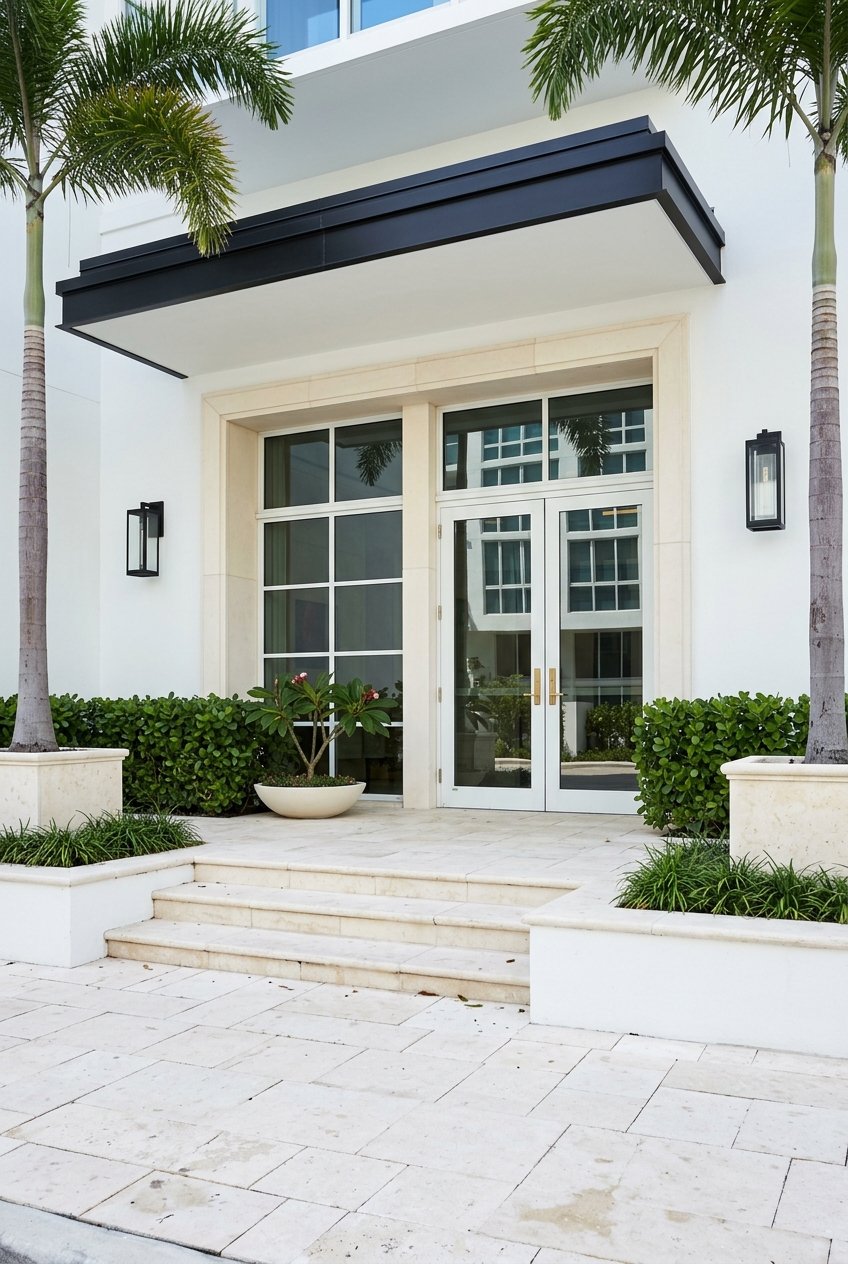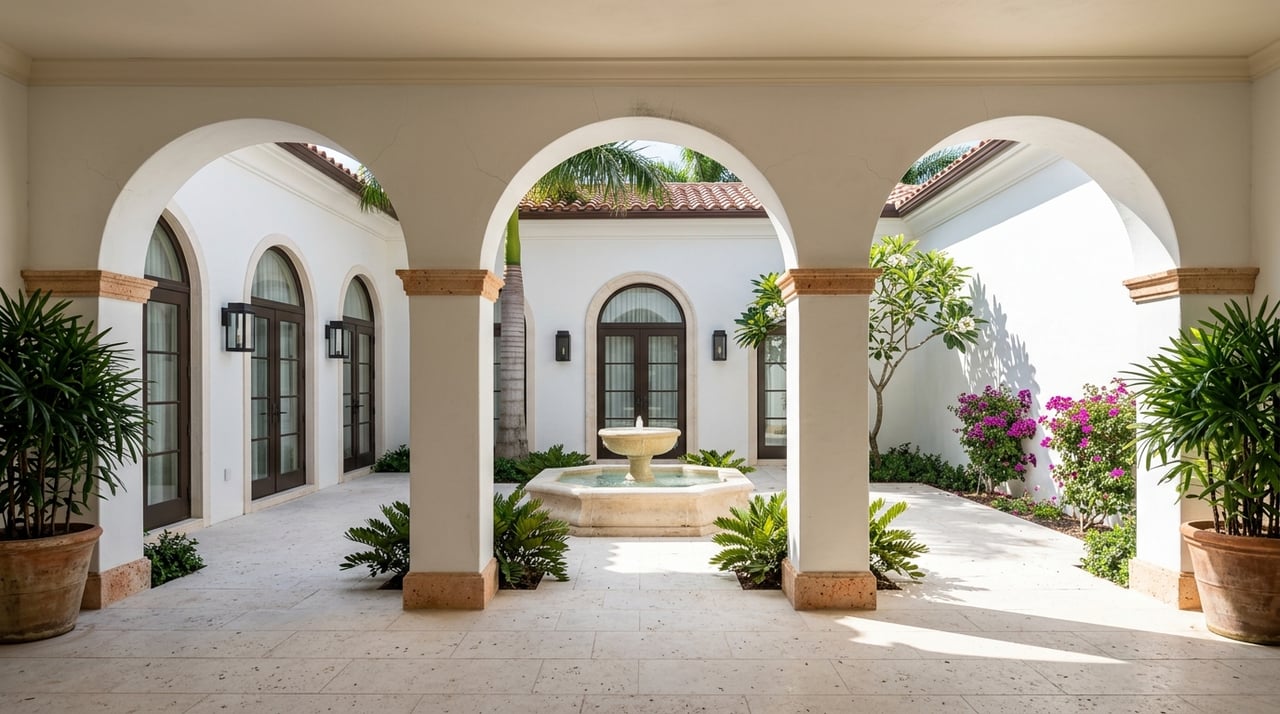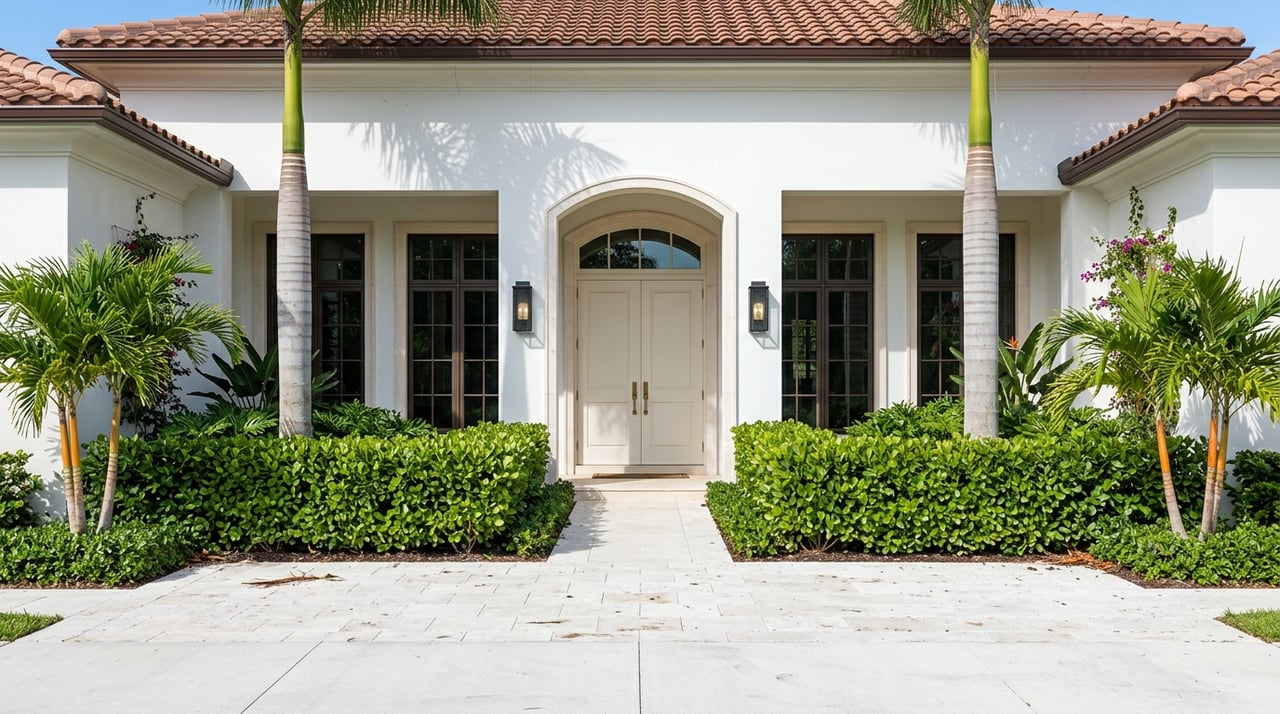
If you are deciding between a Coconut Grove condo and an estate home, you are really choosing how you want to live day to day. Some buyers want ease, walkability, and a lock-and-leave setup. Others want land, privacy, and direct control over their surroundings. This guide will help you compare both options through the lens of Coconut Grove’s local character, market signals, and due diligence points so you can make a more confident decision. Let’s dive in.
Why Coconut Grove Feels Different
Coconut Grove is not just another Miami neighborhood. The City of Miami describes it as a historically landscaped, waterfront area where tree canopy, green space, bay views, and water access shape its identity.
That local character matters when you compare condos and estate homes. The neighborhood conservation framework was created to preserve the Grove’s single-family fabric and heavily landscaped residential feel. In practical terms, that means the choice between a condo and an estate home often comes down to whether you value convenience and shared amenities, or land and control.
Condo Living in Coconut Grove
For many buyers, a condo offers a simpler way to enjoy the Grove. You may trade private land and some privacy, but you gain a more managed ownership experience with less hands-on upkeep.
Florida law places maintenance of common elements on the condo association, with common expenses funded through assessments. That shared-governance model can appeal if you prefer a lower-maintenance home base, but it also means you need to understand dues, reserves, and the possibility of special assessments.
Where Condos Shine
A condo is often the better fit if your lifestyle centers on convenience. In Coconut Grove, that can mean being close to the village core, public waterfront spaces, and daily amenities without the responsibilities that come with a larger property.
The area’s public waterfront network adds to that appeal. Peacock Park is a 9.4-acre waterfront park with direct access to the Intracoastal Waterway, Dinner Key Marina offers 587 wet slips and 250 moorings, and the Coconut Grove trolley serves parks, shopping areas, and City Hall.
The Lock-and-Leave Advantage
If you travel often or split time between homes, a boutique condo can make a lot of sense. Many buyers value the ability to leave for weeks or months without managing landscaping, large exterior systems, or a broad property footprint.
That does not mean less due diligence. It simply shifts your focus from private land and exterior upkeep to the building itself, the association’s governance, and long-term capital planning.
Estate Homes in Coconut Grove
An estate home speaks to a different kind of buyer. If you want privacy, outdoor space, room to customize, and a more secluded setting, a single-family estate is usually the stronger match.
Coconut Grove’s conservation rules reinforce that appeal. The neighborhood includes minimum lot sizes of 5,000, 7,500, 20,000, and 40,000 square feet in different areas, with the largest lots along portions of the coast, all intended to preserve the Grove’s historic residential character.
Why Estate Homes Command Attention
In Coconut Grove, estate homes represent the fullest expression of land, setting, and control. You are not just buying square footage. You are buying setbacks, landscaping potential, and in some cases a more private relationship to the bay.
This is especially relevant at the top end of the market. MIAMI REALTORS® identified the $101.5 million Banyan Ridge sale in Coconut Grove as a record-setting transaction since 2019, underscoring how strongly the market values rare waterfront compounds.
A Better Fit for Privacy and Control
With an estate home, you usually have more say over how the property is used and maintained. That can be a major advantage if you want a custom living environment or need more flexibility in how indoor and outdoor spaces function.
At the same time, more control also means more responsibility. You will want to evaluate zoning, lot constraints, tree preservation rules, and any redevelopment limits tied to the property.
Waterfront Access Means Different Things
One of the biggest differences between condos and estate homes in Coconut Grove is how they connect you to the water. Both can offer a strong waterfront lifestyle, but they do so in different ways.
Estate homes are generally the better fit if direct bayfront frontage, private docks, and compound-style living are priorities. Condos more often deliver waterfront value through views, marina proximity, and access to nearby public spaces rather than private shoreline control.
Condos Offer Proximity
If you want to be near the water without managing a dock or expansive grounds, a condo may be enough. You can enjoy the Grove’s marina, parks, and bayfront setting while keeping ownership more streamlined.
That setup works well for buyers who care more about access than exclusivity. You remain connected to the neighborhood’s waterfront identity, but in a more flexible and lower-maintenance format.
Estate Homes Offer Direct Access
For buyers who define waterfront living more literally, estate homes stand apart. Direct frontage, dock potential, and larger lots create a very different ownership experience.
That difference is not just emotional. It is also tied to scarcity, which often supports long-term demand for premier single-family properties in tightly held locations.
What the Market Signals Say
Both property types have appreciated in Miami-Dade, but they are not moving in exactly the same way. That matters if you are thinking beyond lifestyle and considering future resale positioning.
In June 2025, Miami-Dade’s median single-family sales price was $670,000, up 2% year over year, while the median condo and townhome price was $450,000, up 6%. MIAMI REALTORS® reported that both segments had posted year-over-year price growth for 14 straight years in the county.
Inventory Favors Different Strategies
Inventory conditions tell an important story. In April 2025, Miami-Dade single-family homes had 6.3 months of supply, which MIAMI REALTORS® described as balanced, while condos had 13.7 months of supply, which they classified as a buyer’s market.
That can create more negotiating room on the condo side. It can also mean a longer selling timeline, with median time to sale at 76 days for single-family homes versus 100 days for condos.
Long-Term Appreciation Trends
Over the last decade, single-family homes have outperformed condos in Miami. From April 2015 to April 2025, condo prices rose 123.6%, while single-family prices rose 161.5%.
That does not make condos a weak choice. It simply means estate homes have shown stronger long-term price growth in this market, especially for buyers focused on scarcity and land value.
Luxury Market Differences
At the luxury level, thresholds also differ by product type. In Miami-Dade during 2025, luxury single-family started at $3.4 million and ultra-luxury at $10.4 million, while condo luxury began at $3.0 million and condo ultra-luxury at $7.7 million.
Buyer behavior differs too. Over 70% of million-dollar condo and townhome sales in Southeast Florida were all-cash, and in April 2025 cash made up 51.9% of Miami existing condo sales compared with 24.9% of single-family sales.
Due Diligence for Condos
A condo purchase in Coconut Grove requires property-level and building-level review. Beyond finishes and views, you need to understand the physical condition of the building and the association’s financial readiness.
Florida requires milestone inspections for condo or co-op buildings that are three habitable stories or higher once the building reaches certain age thresholds. In many cases, that trigger is 30 years, or 25 years if the local enforcement agency applies the earlier standard because of proximity to salt water.
Review These Condo Items
Before you move forward, focus on these points:
- Association budgets and recurring dues
- Reserve funding and structural integrity reserve study timing
- Milestone inspection status, if applicable
- Planned capital projects or potential assessments
- Building rules that affect your intended use of the property
These details can materially affect ownership cost and future resale appeal. In Coconut Grove, they are essential, not optional.
Due Diligence for Estate Homes
For estate homes, the review shifts toward land, improvements, and local rules. In Coconut Grove, zoning and neighborhood conservation standards are especially important because the area’s character is actively protected.
The City of Miami’s Coconut Grove conservation work focuses on lot coverage, residential density, tree preservation, and preservation of the neighborhood’s historic and social character. The city also provides zoning verification tools and property zoning lookups, which can help buyers and sellers confirm what is permitted.
Review These Estate-Home Items
When evaluating an estate property, pay close attention to:
- Lot size and setback conditions
- Tree preservation requirements
- Zoning and redevelopment limitations
- Existing improvements versus what may be allowed in the future
- Waterfront features, if applicable, including dock-related considerations
These factors shape not only how you live in the home today, but also what flexibility you may have later.
Flood Risk Matters for Both
Whether you choose a condo or an estate home, flood exposure should be part of your decision. Miami-Dade says the county is particularly susceptible to flooding from major rain events and storm surge because of surrounding water bodies and low-lying conditions.
The City of Miami also notes that coastal areas, the Miami River, and canals are prone to flooding. Miami-Dade advises buyers to verify flood zones and elevation certificates, and it states that flood insurance is required for federally backed mortgages in a Special Flood Hazard Area.
Why This Should Shape Your Decision
For condo buyers, flood-related questions may involve the building’s location, systems, and insurance structure. For estate-home buyers, the focus may extend to site elevation, drainage, and the practical impact on the property itself.
Either way, this is one of the most important parts of Coconut Grove due diligence. It deserves early review, not a last-minute check.
Which Property Type Fits You Best?
The right choice usually becomes clearer when you stop asking which option is better and start asking which option fits your priorities. In Coconut Grove, both can be compelling, but for very different reasons.
If you want lower maintenance, amenity access, walkability, and a more accessible entry point into the neighborhood, a condo is often the better match. If you want privacy, land, customization, and the strongest expression of Coconut Grove’s legacy residential market, an estate home is usually the stronger fit.
A Simple Decision Framework
Choose a condo if you value:
- Lower day-to-day maintenance
- Shared amenities and managed common areas
- Walkability and village convenience
- Lock-and-leave flexibility
- Potential buyer-market leverage in current condo inventory
Choose an estate home if you value:
- Privacy and larger outdoor space
- Direct control over the property
- Long-term scarcity tied to land and location
- Potential for direct waterfront living
- A more custom residential experience
In a market as nuanced as Coconut Grove, the best decision is rarely generic. It is personal, strategic, and tied to how you intend to use the property over time.
If you are weighing a Coconut Grove condo against an estate home, senior-level guidance can help you look beyond surface appeal and focus on fit, risk, and long-term positioning. For discreet advice tailored to your goals, connect with Cassis Burke Collection.
FAQs
What is the main difference between Coconut Grove condos and estate homes?
- The clearest difference is lifestyle. Condos usually offer lower maintenance, shared amenities, and convenience, while estate homes typically offer more privacy, land, and direct control over the property.
Are Coconut Grove condos easier to maintain than estate homes?
- In most cases, yes. Florida law places maintenance of common elements on the condo association, but owners still need to review dues, reserves, and potential assessments carefully.
Do estate homes in Coconut Grove usually offer more privacy?
- Yes. Estate homes are generally the stronger fit for buyers who want larger lots, more outdoor space, greater setbacks, and a more secluded living environment.
Is the Coconut Grove condo market different from the single-family market?
- Yes. In April 2025, Miami-Dade condo inventory was 13.7 months of supply compared with 6.3 months for single-family homes, which suggests different negotiating conditions and resale timelines.
What should condo buyers review before buying in Coconut Grove?
- Condo buyers should review association budgets, reserve funding, milestone inspection status if applicable, structural integrity reserve study timing, and any planned assessments or major building projects.
What should estate-home buyers review before buying in Coconut Grove?
- Estate-home buyers should review zoning, lot size, setbacks, tree preservation rules, redevelopment limits, and any site-specific conditions that affect current use or future plans.
Does flood risk matter for both condos and estate homes in Coconut Grove?
- Yes. Miami-Dade and the City of Miami both note local flood vulnerability, so buyers should verify flood zones, review elevation-related information where relevant, and understand insurance implications early in the process.